Firebird Felipe has been an integral part of FHS, serving as the mascot since July 1996. Firebird Felipe — a phoenix — influences many aspects of student activities. For instance, FHS’ newspaper “The Phoenix,” and the school’s official Instagram account “@firebirdfelipe” get their name from the mascot. However, regardless of the effect Firebird Felipe may impose on campus, Felipe has been the mascot of FHS for only 30 years. Its predecessor was Iwo — a Native American warrior, who reigned as the mascot for approximately 70 years.
Native American mascots were prominent among colleges during the mid to late 20th century, which influenced neighboring high schools. FHS chose the Indians because of Stanford University’s influence. Student activities were named after the Indians theme. The student newspaper was called “The Chief,” the social hub was named “Wigwam” and the dance team was named the “Featherettes.” Spirit wear was also influenced by Native American culture. Students would wear moccasins, and FHS provided the Featherettes team with short Native American headdresses, while the lieutenants wore long ones. FHS alumni Jennifer Aquino, class of 1984, describes the importance of the Indians.
“[The Indians] charged everyone up, they brought a lot of school spirit to whatever we were doing, and it made everybody gravitate together,” Aquino said. “We were just proud to be Fremont High Indians. Everybody rallied together and showed their pride, and there was never anything negative.”
In general, school spirit was a paramount part of FHS culture. Many students felt a sense of pride and connection to the Indian mascot. Aquino mentions why students felt so attached to the mascot.
“[The Indians] were the center of everything,” Aquino said. “For our sports and rallies, it was very ingrained and was just the way things were. So the sadness comes when you think, ‘Oh, we’re not the Fremont Indians anymore. There wasn’t ever anything derogatory, so [alumni] weren’t sure why changes were made, but now [alumni] understand that everything changes. Still, it almost feels like you’re kind of messing with history.”
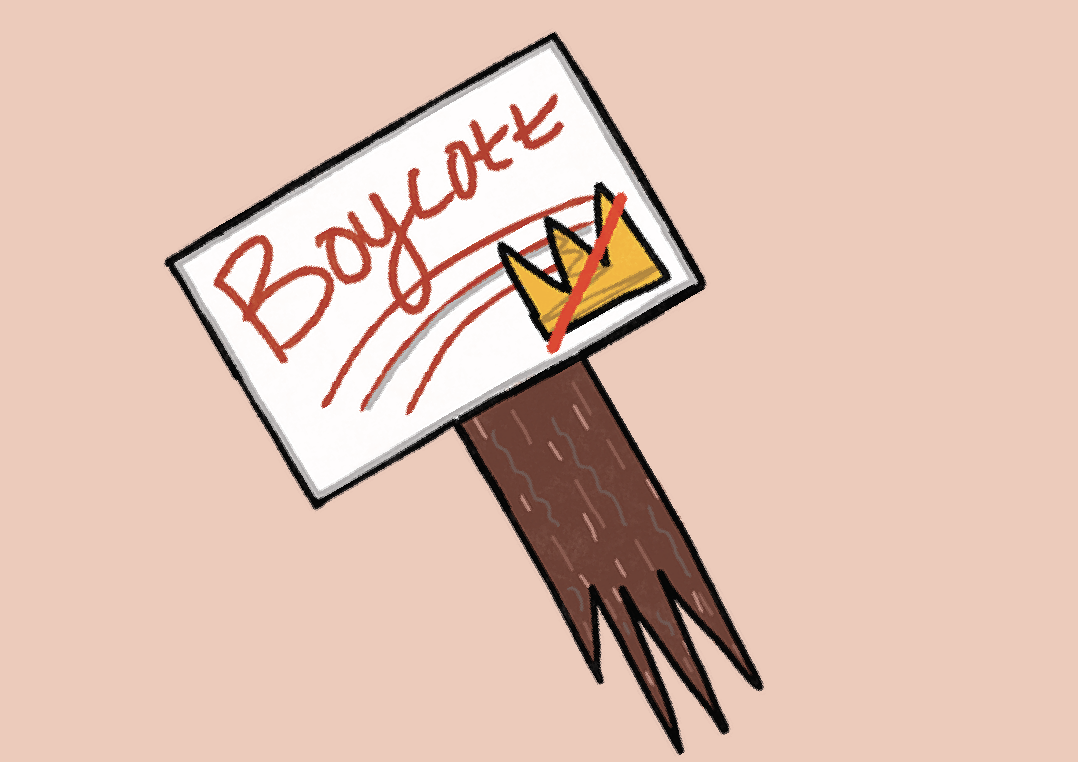
Controversy around using Native Americans and their culture as mascot/theme started to rise, as it was acknowledged to be racist and dehumanizing towards Indigenous people who are still fighting for justice. More awareness about the racism, stereotypes and appropriation that Indigenous people face became more apparent. Tribal communities viewed these mascots as harmful as they contributed to stereotypes and impacted the mental health of Native youth, according to Native Indian Health Board. This caused schools such as Stanford and Dartmouth to remove their Indians mascot in 1972, and 1974 respectively. Along with colleges, sports teams and high schools began to change their mascots as well.
Though students did not intend to appropriate the mascot, controversy arose around using Native Americans as a mascot. Awareness about the racism, stereotypes and appropriation that Indigenous people face became more apparent. For FHS, it started in 1995 when a group of people addressed their concerns about the Indian mascot to the FUHSD Board of Trustees. Discourse on this topic was held during the 1995-96 school year, and ended with the removal of the Indians mascot. The hunt for a new mascot involved a series of votes from FHS staff and students with the top three choices being: Firebirds, Sequoia and Wolves. Firebirds won with a majority vote of 65%, and the new mascot was implemented in the 1996-97 school year. Once the change in mascot was finalized, renaming student activities and merchandise became the next step. Despite the student input, many were still hesitant to accept the change. FHS alum and P.E. teacher Jason Townsend, class of 1990, mentions his thoughts around being an “Indian” in high school, and a firebird as a teacher.
Townsend suggests that alumni should not be resentful toward the mascot change.
“I can see the bridge between two eras, whereas a lot of [former students] haven’t remained connected to Fremont,” Townsend said. “I guess I’m also a bit bummed that we haven’t been able to maintain that connection with [alumni from the Indians era], and that [the mascot change] is a dividing line over something petty.”
Since the mascot change may signify the end of an era to some alumni, it might contribute to the disconnection that alumni feel towards the Firebirds brand. Despite the perceived differences, both Iwo and Firebird Felipe symbolize strength, with Iwo being a strong Native American soldier, and Felipe being a phoenix who rises from the ashes. FHS senior Yamile Tarango describes what Firebird Felipe means to her, and why she dresses up as Felipe during rallies.
“Firebird Felipe represents coming back to life, because Felipe was not the first mascot of the school,” Tarango said. “It’s a cool experience to be Felipe, because you can interact with students and have fun with them, and not be ashamed of who you are because you’re Felipe.”
Mascots are the face of a school, fostering a sense of community and shared identity amongst students. While students may not feel a special tie towards the mascot itself — or what it means, the nostalgia and loyalty it creates stays with them throughout their life.
“I was a student for four years, this is my 31st year teaching and I think you feel sentimentality towards [the Indian’s mascot], but most of all, I’m connected to Fremont High School,” Townsend said. “It’s the students and staff that make Fremont High School, Fremont High School.”