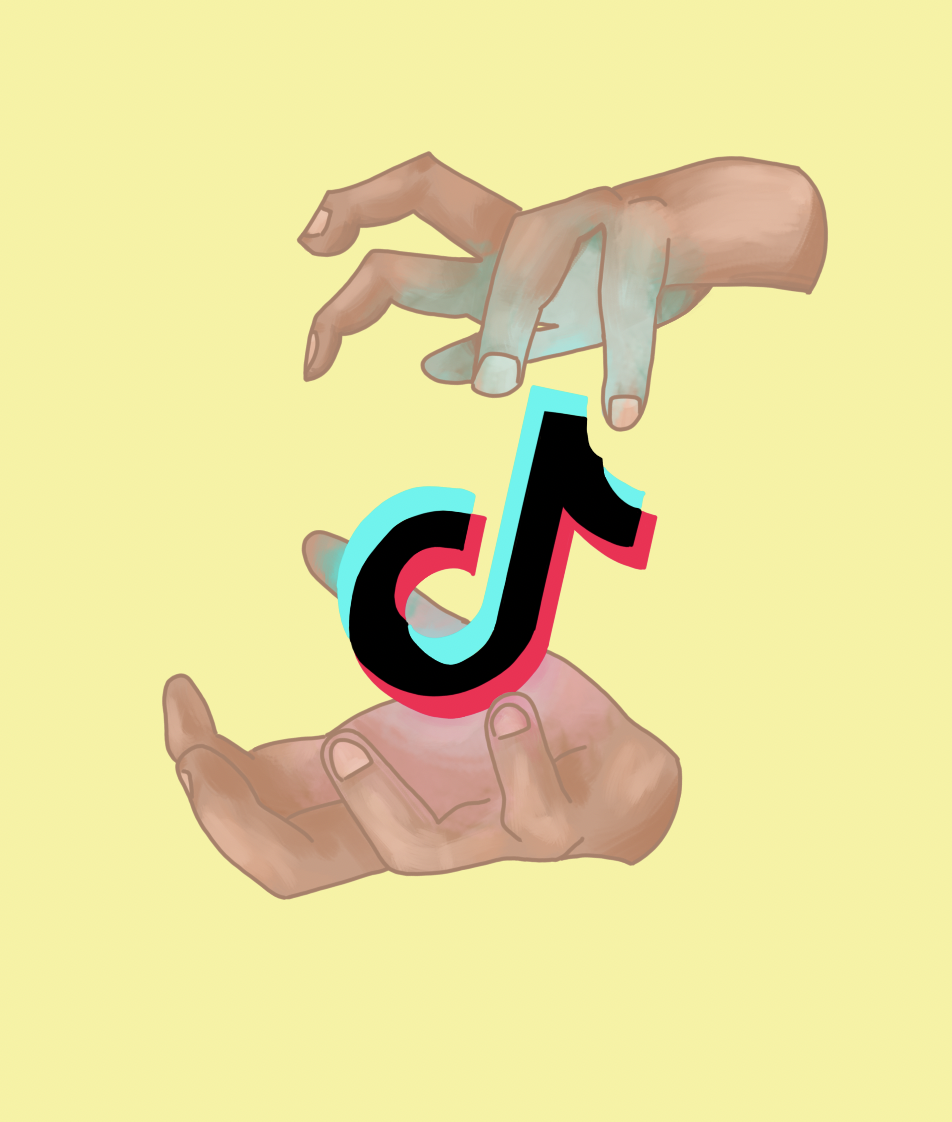
Popular social media app TikTok was officially put under American ownership within the U.S. on Jan. 22, 2026, diluting the stake of the previous owner, Chinese company ByteDance, to below 20%. Specifically, TikTok in the U.S. operates under “TikTok USDS Joint Venture LLC.” They own 80.1% of the app, among which major investors Oracle, Silver Lake and MGX own 15% of that. The platform, which gained hundreds of millions of users since the pandemic, now boasts 1.9 billion users worldwide, per Statista. The new ownership has not been without controversy, however. Alterations to data collection policies have left many users feeling unsafe about their information and content moderation within the app.
Among the changes is more precise location data for users, who can now be tracked by TikTok using GPS, moving the accuracy from broader municipal areas to within meters of actual location, according to University of Virginia McIntire School of Commerce associate and cybersecurity expert Professor Chris Maurer. Used primarily for targeted advertising purposes, the location tracking policies have caused many users to feel unsafe using the platform, ultimately leaving or deleting it altogether.
Another major development under the new ownership has been in moderation on the platform, including political language and expression. Many political content creators reported that the ownership change immediately resulted in their videos dropping from tens or hundreds of thousands of views to almost none. This seemed to affect content specifically related to certain topics, such as U.S. President Donald Trump, sex offender Jeffrey Epstein and ICE activities. Other related content often faced barriers within the platform, as users reported not being able to post videos related to ICE for hours at a time, directly in the aftermath of the death of Alex Pretti in Minnesota at the hands of an ICE agent. TikTok itself has denied any claims of censorship or targeted moderation, instead citing data center failures for the issues. This kind of monitoring is also visibly present beyond videos posted to the app. Users reported having messages mentioning Epstein blocked altogether, with error notifications letting them know that this may violate community guidelines.
In January 2025, TikTok was banned in the U.S. due to questions about privacy and data collection related to Chinese ownership. The present ownership change came as a result of the U.S. government forcing ByteDance to sell off its majority stake in order for the platform to continue existing in the U.S.. Junior Vidyuth Pasumarthi uses TikTok to browse content he enjoys and share it with friends. He described the changes he has and expects to see in the foreseeable future.
“There’s obviously been a lot of security concerns in the past about the usage of TikTok, at least by our government, with the entire ban going on,” Pasumarthi said. “I feel like this really takes it to another level, and it’s quite unprecedented. There’s going to be a lot of people censoring things, and people banning a lot of things. I’m definitely going to see a lot more political propaganda.”
Data collection policies on most social media platforms are usually attributed to advertising-specific implementations, and some experts say that these changes will not significantly separate TikTok from alternatives such as Instagram and YouTube. Legal challenges are expected in the future if significant censorship or bias is observed to appear within the platform in the coming months.