On Feb. 28, 2026, the U.S. and Israel attacked Iran after weeks of threats from President Donald Trump and escalating tension, resulting in the killing of the Supreme Leader Ayatollah Ali Khamenei and some members of his family. Throughout the course of these events, social media has been used in various ways. Iran later retaliated by targeting U.S. military facilities in the Gulf states, as well as striking Israel. Due to the attack, there have been more than 2,100 casualties in Iran, including at least 175 students who were killed by a confirmed U.S. strike on an Iranian elementary school. Trump claims that the objective of this attack was to destroy Iran’s missile capabilities and to call for a change in the Iranian government. As the war continues, many students at FHS are left wondering: Will this escalate into something further?
Fears surrounding a potential World War III have risen among many, especially on social media, where it is imagined as a major world-ending war, involving nuclear weapons. With the uncertain future, many find it easy to assume that any conflict involving major powers could escalate into World War III.
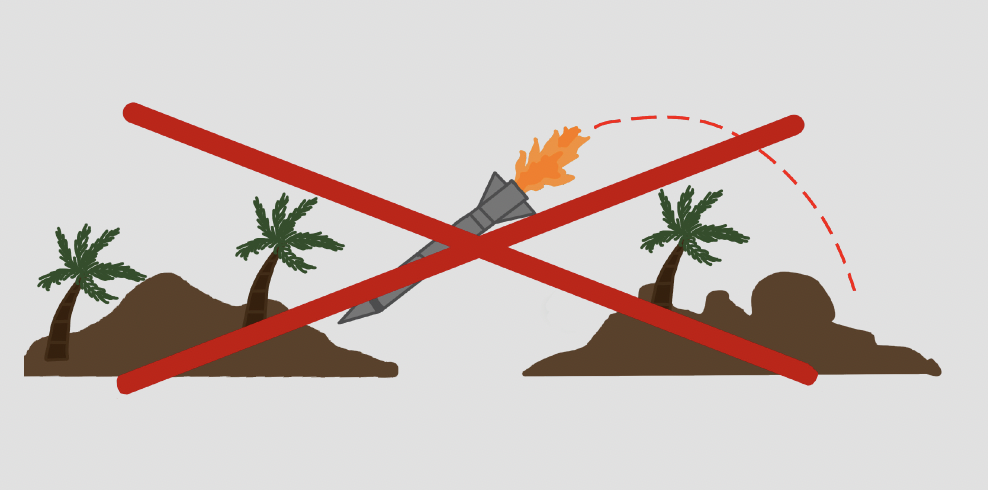
However, the idea that the current U.S.-Iran conflict will turn into a direct threat against American civilians is not supported by evidence. Instead, it is being amplified and created by social media.
FHS sophomore Saisha Bidarkar explained her initial thoughts about the ongoing war.
“When the U.S. got involved, it was really scary to see something like that emerge, especially with all the rumors about World War III happening,” Bidarkar said.
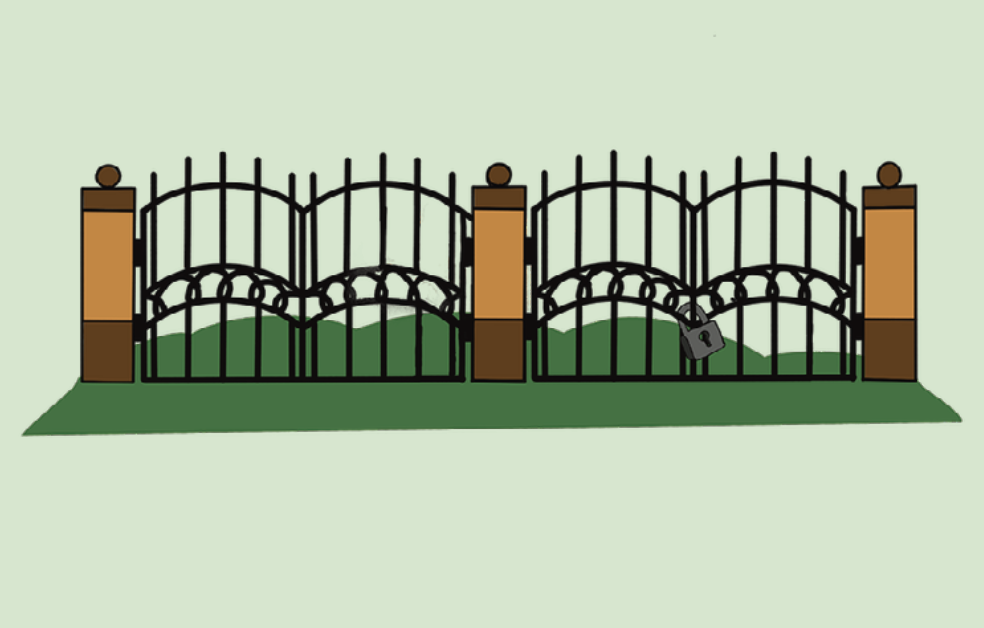
While many share Bidarkar’s feelings, their reactions are valid but overestimate the real potential consequences of the conflict. In reality, Iran poses no imminent threat to U.S. civilians, according to top counterterrorism official Joe Kent. In contrast to what Trump has claimed about Iran’s nuclear weapon capacity, Iran has halted its nuclear weapons program since 2003, according to congress.gov. Additionally, many do not know is that it would be considerably hard to attack the U.S. due to its favorable geography and overwhelming military power. The U.S. is surrounded by the Pacific and Atlantic ocean providing a natural defensive barrier. Alongside that, Canada and Mexico are bordering allies to the North and South, completely encompassing the U.S. and making it a fortress.
However, this information is not provided through social media. Instead, posts including false information run rampant, heightening student fears. Specifically, there were numerous reports mentioning the FBI’s warning that Iran may retaliate through a drone attack in California. “Iran allegedly aspired to conduct a surprise attack using Unmanned Aerial Vehicles (UAVs) from an unidentified vessel off the coast of the United States homeland, specifically against unspecified targets in California,” according to ABC News, citing the FBI alert they received.After a series of reports on the alert, the FBI’s Assistant Director for Public Affairs, Ben Williamson, stated that those reports left out the word “unverified” in the initial line: “We recently acquired unverified information,” according to CNN. White House Press Secretary Karoline Leavitt also clarified on social media that the alert, sent in an email, specifically states that the tip was based on unverified intelligence.
“TO BE CLEAR: No such threat from Iran to our homeland exists, and it never did,” Leavitt said, criticizing reports on the alert.
Leavitt’s comment also refers to the fact that Iran does not have the missile capabilities to directly attack the U.S.
After in-depth research, FHS sophomore Yomna Omer shared what she learned from credible sources such as Al-Jazeera, that was not obvious from social media: Iran’s only form of retaliation has been indirect, hitting U.S. bases and even shutting down the Strait of Hormuz — a sea route for oil transportation — due to its weapon capabilities.
“Iran’s missiles and drones can’t reach all the way to the U.S., and that’s why they’re bombing U.S. embassies in the Middle East,” Omer said.
Besides these common fears, a more crucial issue emerged: social media’s role.
“People usually get their information off TikTok, Omer said. “They don’t do any research. They just see a TikTok and just run off with it. It’s spreading misinformation, and it makes people more scared than they actually should be.”
Recently, as the war has intensified, people on social media have taken advantage of the world’s panic. Posts about World War III, and jokes about being drafted began to trend. With social media exacerbating tensions among students, searches about World War III increased by 30% after the first attack on Feb. 28, according to Google Trends.
With social media being a prime source of misinformation, U.S. Government, AP Microeconomics and World History teacher Geoff Beckstrom provides a historical perspective of how the media has influenced overall conflicts.
“Newspapers were controlled by the government,” Beckstrom said. “So in times of war, information can get sparse. In today’s world, there’s so much more information available from so many more sources, and yet we also don’t really ever know if what we’re seeing is true or not.”
While social media promoting World War III disinformation directly affects FHS students, it also indirectly harms those who are physically affected by the war.
“I think these jokes definitely desensitize people,” Omer said. “Like, when you make jokes out of war, it kind of just normalizes it.”
While social media amplifies fear, it also normalizes something as dystopian as war, causing others to divert their attention away from those who are impacted.
“When there are [people] casually talking about [U.S.-Iranian war], they’re joking about how they’re going to get drafted, or joking about how our generation is not serious enough to go into war, it’s just really insensitive to the people who are actually going to get affected by the war, because we’re not going to be the ones who get bombed,” Omer said. “We’re not going to be the ones who have our food supply cut off. [Iranians are] the ones who are going to have to face all those problems.”
As more people learn and research the reality behind this issue, it is safe to say that currently, U.S. civilians are not in a position to be scared about what will happen to them during this conflict. As social media intensifies the issue and misinformation continues to increase, it is important to remember that while social media can be a critical tool, it can also be harmful.