On Sept. 30, 2025, the American company OpenAI released its latest AI text-to-video model, Sora 2. A major improvement from the original version, Sora 2 produces life-like content by incorporating an understanding of real-world physics, synchronous audio and improved consistency across scenes. Its original release was invite-only, meaning that the general public did not have immediate access to the program, but its impact was widespread.
Sora 2 is notable for being able to create large amounts of short-form content. Sora 2 serves as a social media platform itself, similar to Instagram or Tiktok, allowing users to quickly scroll through AI-generated content. Additionally, this content has become prevalent on other platforms other than the app itself, with many users posting videos generated by the model.
Sora 2 has created controversy due to being used to create deepfake videos of celebrities or other significant people. Additionally, some users abuse the model to create videos, often disrespectful in nature, of the deceased. Many videos involving historical figures, like Martin Luther King Jr., have been created. As a direct response, OpenAI released a statement in collaboration with King Estate, Inc. detailing the fact that they were pausing videos depicting King and generally strengthening guardrails on historical figures.
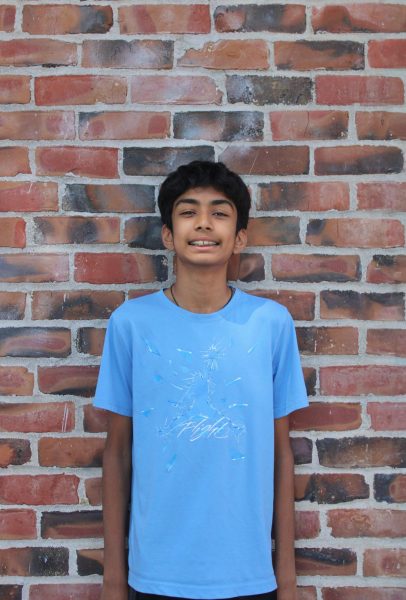
“People [try to] use AI to impersonate other people, sometimes for bad purposes,” FHS sophomore Samanyu Rayala said. “With the funny ones, it’s good, but then there are ones using dead people, and that’s disrespectful to their relatives.”
Sora 2 was originally released with the ability to generate copyrighted characters. However, OpenAI came under controversy after the model produced videos containing them. For instance, the Japanese government called on the company to refrain from copyright infringement. As a response, OpenAI CEO Sam Altman stated in a blog that the company would give copyright holders more control over how their characters are used in the model.
The program contains a built-in watermark with the name of the model to ensure that people can tell the difference between AI and reality. However, it is not difficult to remove or blur this watermark, making it harder to tell between AI and reality. Furthermore, it is possible to layer the Sora watermark on top of regular videos, increasing the confusion about what is real and fake.
“From what I read on the news, one guy tried to stick a Sora 2 watermark on CCTV footage to try to escape getting imprisoned,” FHS sophomore Nikhil Nagaraj said. “In the future, as AI develops further, it’s going to be a lot harder to tell the difference between real and fake content.”
Companies are working to create competitors and develop AI to a higher standard. Ultimately, this technology provides a tool for people to use to their own benefit, whatever that may be.
“If you are using Sora, use it ethically,” said Nagaraj. “Don’t do dumb stuff and acknowledge what you use it for.”