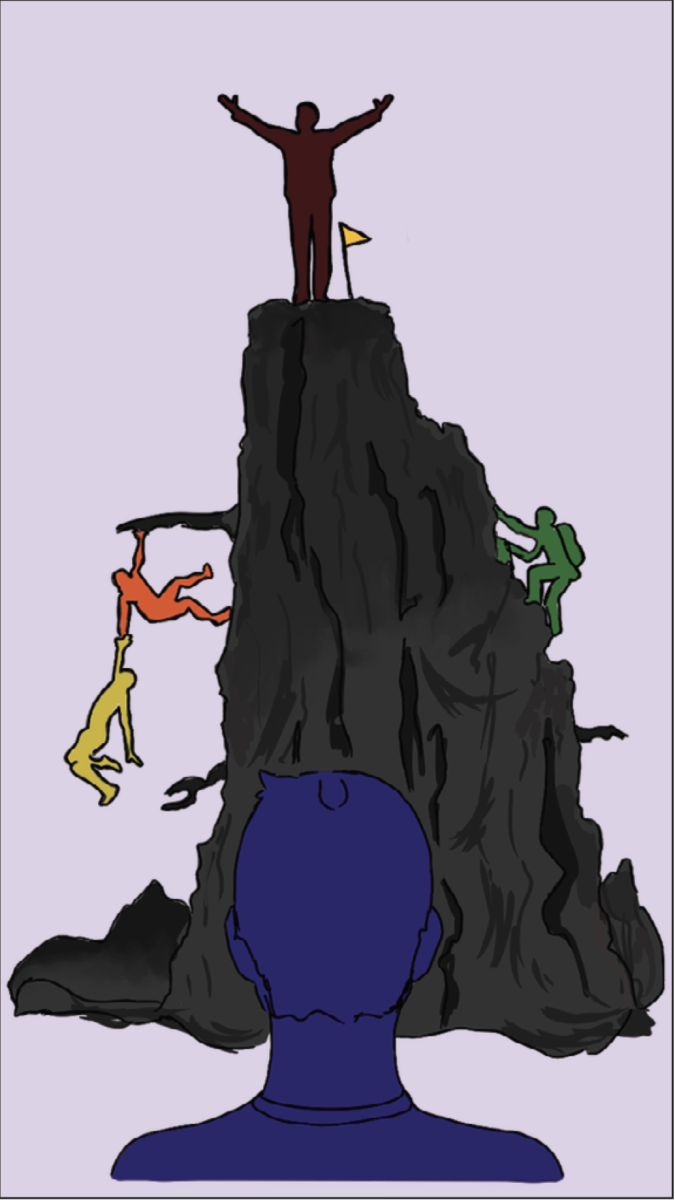
We have spent our whole lives being told that hustle is the hero. But what if the most productive thing you can do today is nothing at all? The truth is, we have been lied to. Not maliciously, or wrongly — hard work does matter — but the version of the story we know is incomplete. From childhood, we are handed the same narrative: grind harder, sleep less, optimize every minute to become someone successful. Busyness has become an accomplishment, and stillness has become something one can only do if they are a monk. Yet science and self-reflection suggest that we have been misreading this equation.
Even when your brain appears to be doing nothing, such as staring out the window, or wandering without purpose, it is actually doing some of its best work. Neuroscientists refer to it as the default mode network. The default mode network is a system that springs to life when you stop concentrating. It is during these unglamorous moments that the brain begins drawing lines between your knowledge and makes connections that even deep, focused thinking cannot reach.
Hence, your best ideas rarely arrive at your desk. They arrive in your shower thoughts, or on the highway. The insight you waited on for weeks at a laptop or in front of a textbook could resolve itself in less than ten minutes of an aimless walk. The brain, when freed from the domination of productivity, starts to play. It is here where the real breakthroughs live.
There is a second cost to the false advertising of busyness that is less commonly known, but even more damaging. Every hour we spend is scheduled, each gap filled. There is never time to innovate anything. Ultimately, this proves that creativity does not stem from happiness or good ideas. It stems from giving those ideas space to form, whether that means releasing them in forms of writing, painting, music, film, poetry, code or crafts. These kinds of outputs demand time that has no immediate gain. It demands mornings, afternoons and evenings that look, from the outside, like waste.
The person who is busy answering messages, attending meetings or optimizing their calendar is a person who has slowly stopped creating. Not because the desire is absent, but because the conditions for creation were removed. Creative work cannot be squeezed into a window of time between obligations. Creativity needs wandering, staring and silence that allows something new to be heard, to be born.
We have built an economy and overall society that applauds consumption and output while disregarding the periods that make genuine creation possible. We scroll, react and produce deliverables. However, fewer and fewer of us are making things that last, that move people, that stick with us for our entire lives. Art and creativity can do that to people. This loss of creativity may not be apparent, but it is real.
The next time you find yourself staring into space, resisting the urge to reach for your phone, or choosing a slow walk over another hour of brain fog at your desk, do not apologize for it. Being lazy can mean letting your mind do the work it does best: the invisible, not rushed, human work of getting your life together in a way we have not seen before. The ideas are in your brain, but need space and quiet or creativity to find their way out.