Reading older literature often feels distant for students. Stories from centuries ago use language, settings and social norms that differ greatly from today. Many students ask if spending time on these texts brings real value. In the specific case of FHS students, notable old texts have been given out for school work. The gap between modern texts and historical texts creates a significant hurdle for students to connect to a text.
“It’s hard to read… it’s hard to find a conclusion or understanding of the text,” FHS junior Kieron Chapa said.
Chapa was assigned “Narrative of the Life of Frederick Douglass, an American Slave,” which was originally published on May 1, 1845. Many students at FHS share similar concerns while others feel differently.
“I find it challenging but also I know it helps me,” FHS junior Matthew Barrera said.
While both perspectives are valid, the enforcement of old literature onto high schoolers is something that is not special to FHS. High school curriculums frequently include foundational works of literature to teach critical thinking and historical context. Many teachers also find teaching the “classics” to be more familiar. Schools find that teaching old texts helps develop important skills that students might not get from modern texts. The disconnect students feel from the material often encourages critical thinking and forces deeper comprehension.
“Seeing the life of a slave from a former slave’s perspective was really eye opening, it’s different when someone is speaking on slavery from an outside perspective versus someone speaking from it as their own experience,” Chapa said.
In order to progress as a society, people must learn from the past and older literature aids in doing just that. By placing readers in the shoes of someone long ago, these reveal feelings, how they looked at the world and how the world treated them. Important historical topics such as slavery show it is important to talk about the true extent of something so inhumane so that it does not repeat itself. While old literature can be difficult and sometimes frustrating to read, it continues to teach important lessons that still matter today. Old literature is also used to challenge readers by exposing them to different writing styles.
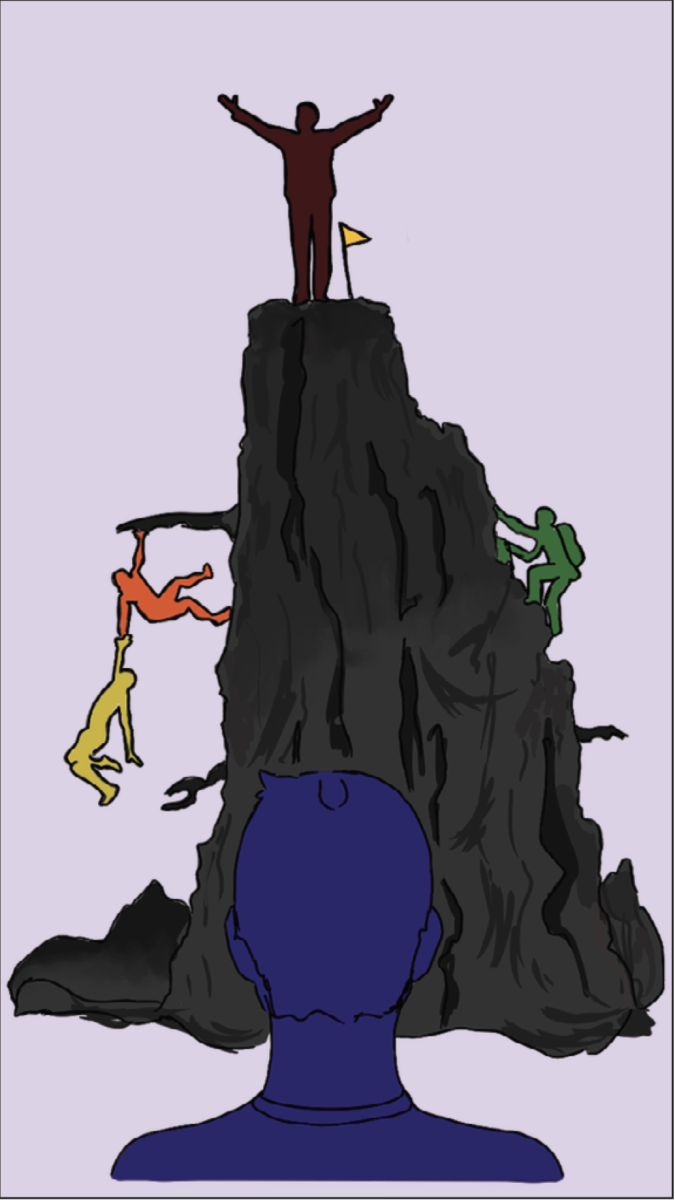
The debate on whether older literature is worth reading or not highlights common tension in modern education; the balance between accessibility and long term intellectual growth. While the unfamiliar language might feel like a barrier, it only adds to the bridge of understanding and learning.
While some students struggle to engage with these texts, they remain a consistent part of the school curriculums, due to their role in building skills and providing historical perspective. Their worth is not in the complex language, instead it is in the knowledge one gains from challenging themselves with something unfamiliar. Whether students enjoy the reading or not, these assignments continue to be a standard way to practice analyzing different types of writing. This focus on old literature ensures that high schools keep a balance between teaching current styles and traditional ones.