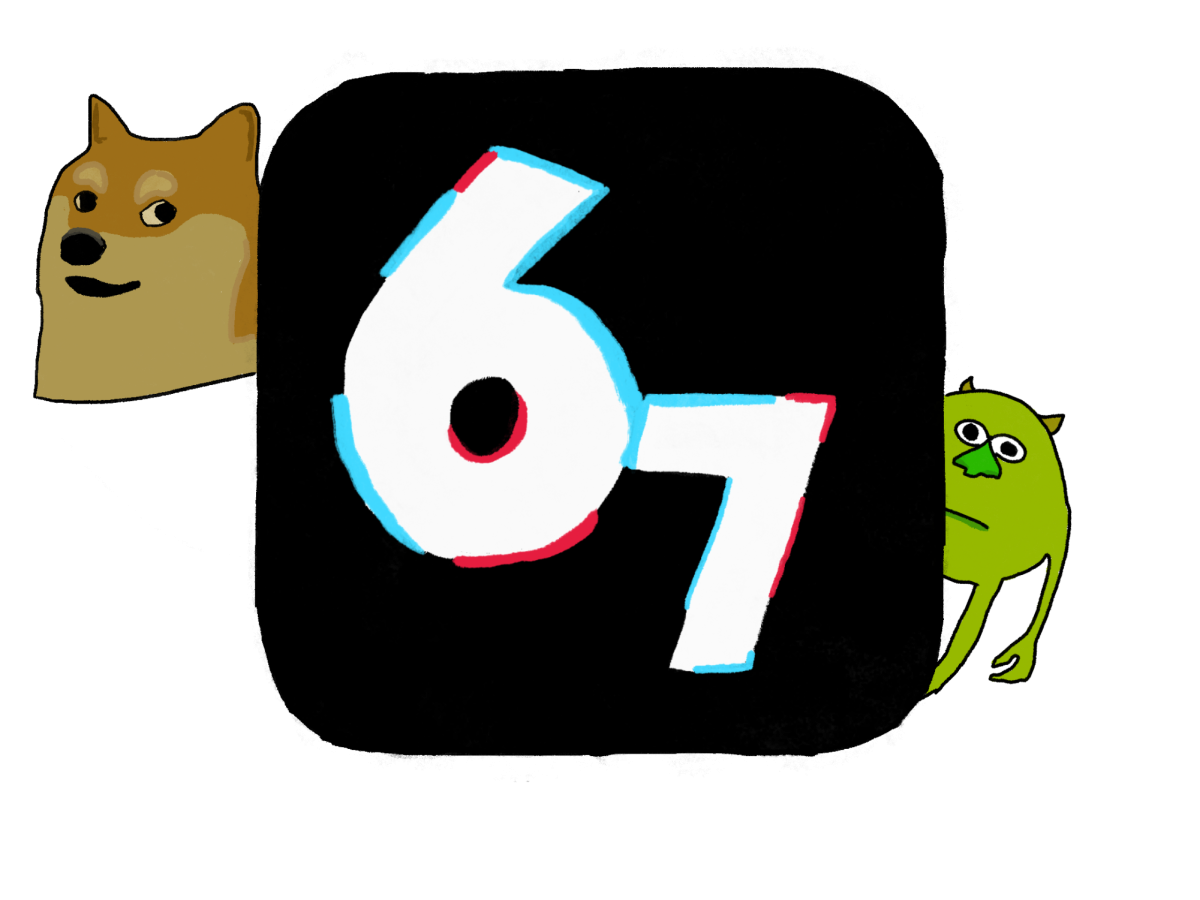
For months, leading up to the start of the new year, people on social media platforms – mostly TikTok – have been talking about “The Great Meme Reset” of 2026. The year 2025 has been looked at as a lot of points for content creation and memes. Many felt the year lacked humanity and depth in the content that was made viral and posted. Some people even describe it as utterly ridiculous, from trends like Italian brainrot to 6-7 jokes that had no actual meaning and were just repeatedly used without any purpose.
This era of jokes and memes comes with the entrance of Gen Alpha onto social media platforms, the most connected generation to technology ever. Gen Alpha favors short, low effort content, unlike Gen Z, which likes more interesting, good content with thought put into it, according to The Reach. This may also be the reason for the shift in social media towards videos that are made quickly, designed for instant consumption, optimized for views, money and likes rather than optimized for enjoyment.
The rise of “forced memes” made social media users start questioning what they are actually watching and why. Memes once were made naturally, whereas now they feel more manufactured and created only for virality and views. Instead of humorous feelings, users say it now feels more algorithm chasing, repetitive and empty.
The trend of The Great Meme Reset users are calling on others to not share or see any more of the “old” memes or brainrot but to go back to actual human, meaningful and humorous jokes. The trend wants to restart the memes and trends and start creating new, original, funny ones, which started on Jan. 1. Many compare old and authentic content to the content from older social media apps and websites, like Vine, the app where you could only upload six-second videos, which some claim to have more impact, originality and reliability.
The Great Meme Reset of 2026 shows how social media users are pushing back against empty, repetitive content. And after years of forced trends and low-effort humor, people wanted memes that feel creative, meaningful and funny again. This movement reflects frustration with algorithm-driven content and a desire for originality over virality. Whether the reset truly changed online culture or not, it still highlights a growing awareness of how digital spaces influence humor, creativity, and the way people connect online.