A screech filled the air, and, before we had the chance to react, a rocket traveling at half the speed of sound crashed and exploded in a fireball 20 feet away. The culprits, FHS’ very own rocketry club.
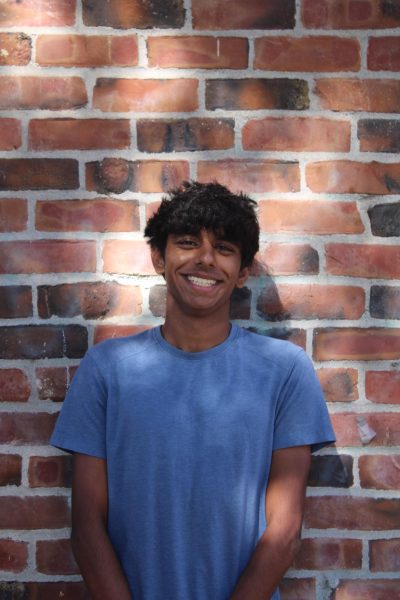
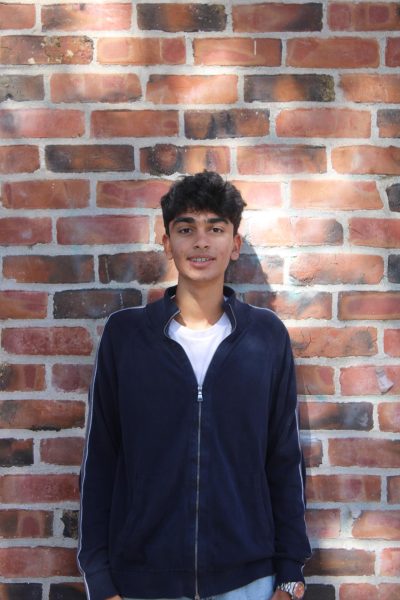
Seniors Naren Karlekar and Akash Agarwala started The Model Rocketry club at FHS during their sophomore year, inspired by sparklers and fireworks customary as celebrations during Indian festivals. Over the span of two years, their club has reached extraordinary heights, from federal airspace in Sunnyvale to a national competition in Virginia. The pair has found themselves building during late nights in Agarwala’s garage, as well as in a hotel room the night before the competition.
“We take 3D printed parts and we combine it with mostly cardboard tubes,” Karlekar said. “Then you just stick a rocket motor in the bottom of it, you ignite and you shoot it up.”
Among the many engineering clubs found in Bay Area high schools (including another at FHS, founded by Karlekar and Agarwala as well), the pair have set their sights on creating something uniquely innovative and stimulating. Their late night exploits with loud launches and what can only be assumed to neighbors as heat seeking missiles, have created an environment centered not only on design and creation, but thrill and passion.
Beyond high school, Karlekar described his aspirations and how the club put him on the right track to achieving them. These experiences with projectiles and modeling may ultimately prove to be highly valued as the political climate heats up worldwide.
“I have multiple companies that I would love to work for, such as NASA and Lockheed Martin,” Karlekar said. “Palantir is another one. We also have Northrop Grumman, Boeing. Raytheon, too. SpaceX [is] interesting.”
Though often dramatic and grand, most launches do not come without tribulation. Karlekar and Agarwala have repeatedly lost parts of rockets during launches, as slight gusts of wind or tilts in the starting position have sent flaming missiles zipping into Sunnyvale yards, never to be recovered. Karlekar quantified a few of his most proud accomplishments.
“Most of our rockets, a lot of them are experimental, so some of them crash and burn, but it’s all safe,” Karlekar said. “On top of that, we have rockets that sometimes go to like 3,000 feet in the air and reach half the speed of sound. So that’s pretty cool. Other than that, we went to American Rocketry Challenge Nationals last May, and we hope to do it again this May.”