In 1997, U2, at the time one of the most successful bands on the planet, released “Pop,” an album so misunderstood that it was mistaken for failure instead of deliberate risk. After pushing boundaries and once again reaching worldwide acclaim with their previous albums “Achtung Baby” and “Zooropa,” the band was in an era of reinventing themselves and “Pop” was the final jewel in the crown.
But unlike their previous success, “Pop” was plagued with difficulties from the very beginning. Sonically, unlike its predecessors the band now experimented with elements of dance and electronica. Built around programmed drum loops, distorted baselines and heavy studio manipulation, this sound pushed U2’s sound closer to late 90s club culture rather than stadium rock. A move that alienated portions of their audience, while confusing critics unable to categorize the record. Songs like “Discoteque” and “Mofo” focused on rhythm and sound rather than traditional song structure, embracing irony and repetitiveness. What many saw as a lack of focus was just a way of rejecting comfort and familiarity.
Combined with the album’s rushed release, and their conjoined “PopMart” tour already booked ahead of time, the band’s vision for the album was not able to be fully executed.
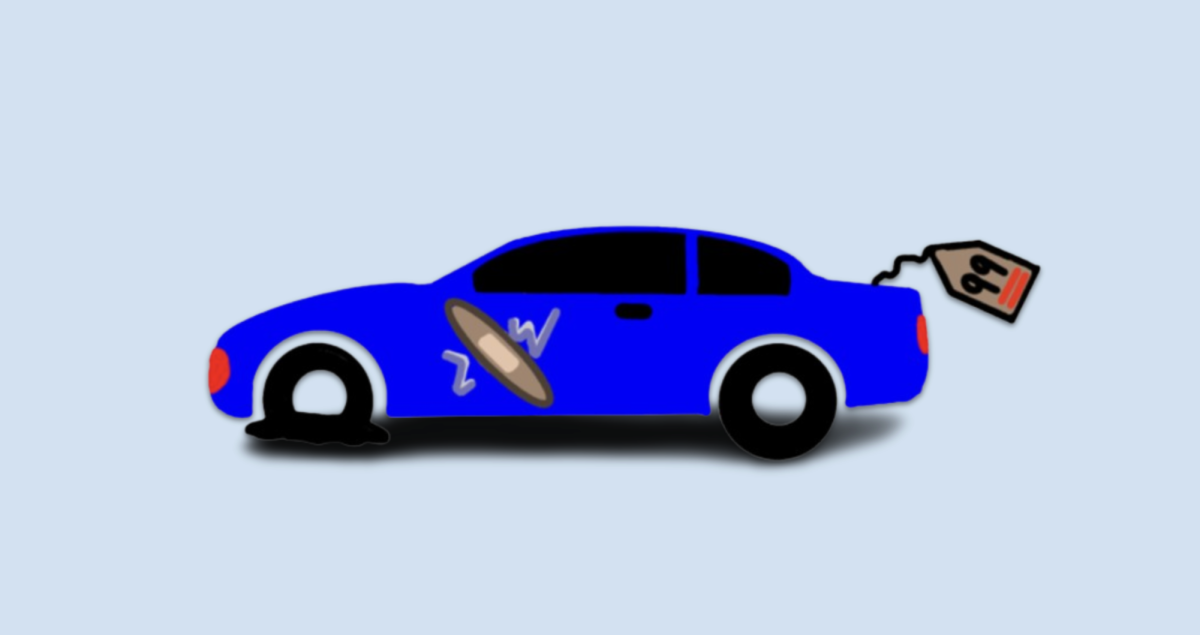
“‘Pop’ never had the chance to be properly finished. It is really the most expensive demo session in the history of music,” frontman Paul Hewson (Bono) said in his memoir “Surrender: 40 Songs, One Story.”
But this acknowledgement has long been used to undermine “Pop” as a failure or discredit the whole album as simply a “low point” in the band’s history. The public’s negative perception poured past the album and into the album’s PopMart Tour, from which the band announced from the lingerie section of a Kmart, seemingly making fun of themselves and how “commercial” the band had become. This was reflected onto the stage itself, the band played under a 100-foot-tall golden arch, and for their encores they would come out one by one from a spinning 40-foot-tall mirrorball lemon. A spectacle that was widely mocked at the time but now reads as visionary, “PopMart” was not just the result of a band with too much money and no boundaries, it was satire. Bono later admitted the band were knowingly playing with scale and absurdity, even joking about “four Irish guys walking out of a giant lemon,” fully aware of how confrontational the image was.
“Pop” marked the last moment when U2 presented themselves as untouchable, ironic rockstars rather than emotional architects of comfort rather than confrontation. The “PopMart” era showed they were not scared to toy with their image and sound no matter what critics threw at them. After Pop U2 returned to safer territory with their album “All That You Can’t Leave Behind.” A move that ultimately worked well and restored their universal appeal. But that success came with a shift in posture. The irony was dropped, the scale pulled back and the sense of danger kept in check. “Pop” stands as the last time U2 fully leaned into risk and confrontation without a backup plan. It was not their cleanest or safest record, but it was the last moment they felt unpredictable.