Art has always been a reflection of culture, and that mirror has recently begun to reflect something unexpected: a rise in conservative values in pop culture spaces once dominated by progressive expression. But why?
“Cultural change is hugely tied to the control of the informational space and how social media as a powerful propaganda tool is being used to shape people’s perceptions,” FHS History teacher Geoff Beckstrom said.
A possible explanation is the ultra wealthy’s ability to shape public perception through social media. Conservative policies fit nicely into short, divisive sound bites, unlike nuanced liberal policies, making them exactly what the algorithm promotes. The result is figures like Andrew Tate, who discover that spouting extreme conservative beliefs gains traction. The wealthy get wealthier from the revenue that this content generates while the public is slowly influenced by such beliefs.
Another component to this is polarization Jojo Siwa is no stranger to. “She already had a big online reputation,” FHS sophomore Kathleen Lei said. “Sudden changes like hers garner attention because it’s a drastic change from who the audience [saw] before”. From the self-appointed CEO of the gay pop genre to alleged trad wife, Siwa’s cover of the song “Bette Davis Eyes” was quite the change. But whether people love it or hate it, polarizing changes like these spark reactions, generating buzz and popularity, which can explain Siwa’s pivot to a more conservative look.
Alternatively, this phenomenon can be seen as brand realignment, exemplified by pop culture figures like Nicki Minaj. Liberal-leaning pop music has become oversaturated. Conservative pop culture, on the other hand, has risen with a very particular yet faithful audience. For instance, Minaj claims to have gained over 100,000 followers after praising Donald Trump and JD Vance at Turning Point USA’s America Fest convention. While she may have lost some of her old audience, she gained thousands of devotees who are more likely to stick around so long as she echoes their political beliefs.
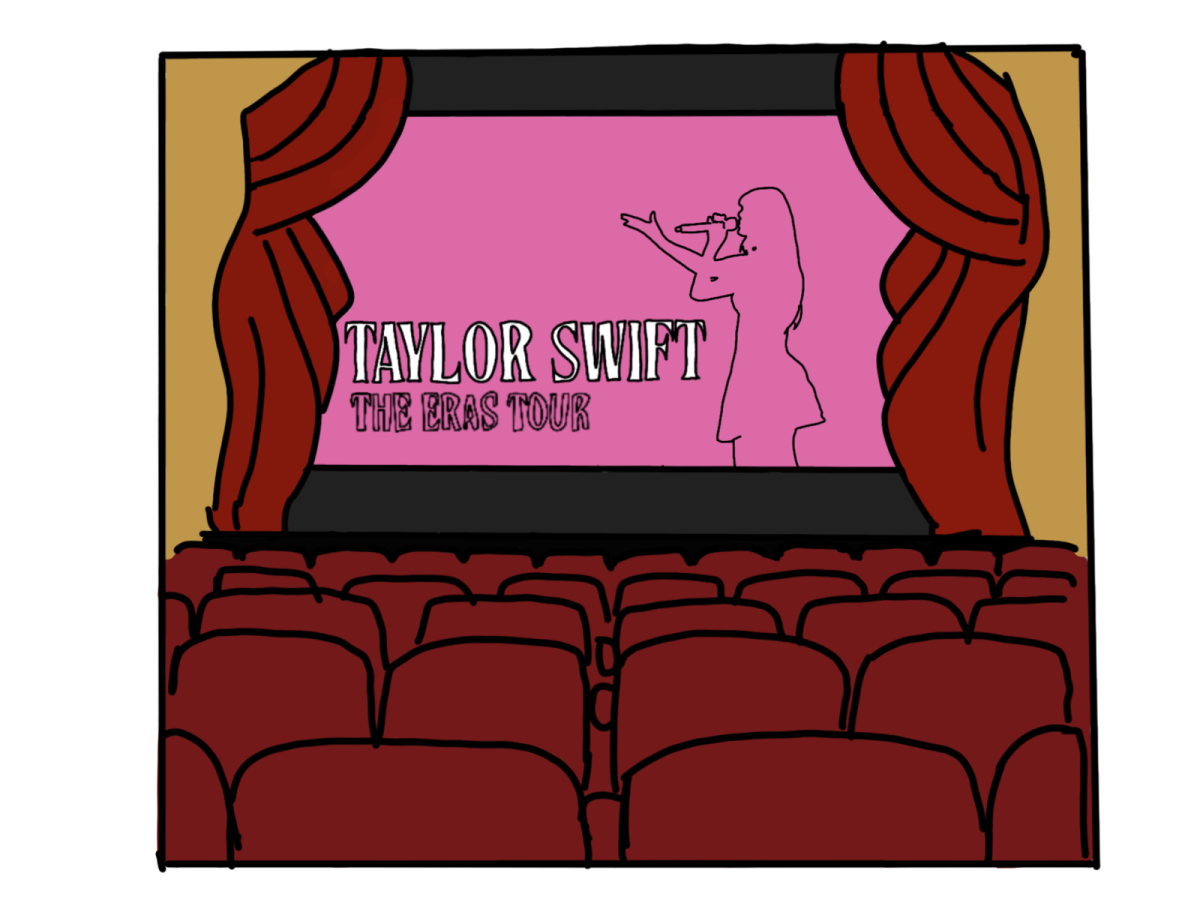
Conversely, this trend might be the result of peoples craving for simplicity in a time of political turmoil. Songs like Benson Boone’s “Beautiful Things,” Alex Warren’s “Ordinary” or even Taylor Swift’s “Wish List,” which gained popularity in part because of social media, have rather traditional messaging. While these songs are not overly conservative, they reflect a drastic shift from the provocative pop music of last year to the more traditionally romantic, straightforward songs of this year. No matter the reason, one fact remains true: art reflects culture. If conservatism is rising in pop culture, what does that mean for us?