Respect does not come naturally to many people. When we are young, we push back against everything and everyone — testing boundaries and discovering limits. Oftentimes, respect becomes confused with fear because when we go too far, we face consequences from authority figures.
Over time, young kids learn how to operate within a society. They learn to say “please,” and “thank you;” they learn to hold the door for others; they learn to pick up after themselves. They do these things not because they are following a set of rules for life, but because they see that these things are necessary for a functional society.
In our teen years, as we transition into adulthood, we need to again, learn our new roles in society, which comes with more boundary testing. We push back against the social norms that require us to respect our parents and teachers. In this period, lack of respect for others can be conflated with self-love or “protecting your peace.” However, respect for oneself and respect for others are not mutually exclusive. A person can prioritize themselves without disregarding others. It is essential that we learn this lesson as we enter adulthood.
What happens though, when a trusted person violates that trust? Do they still deserve respect? Every person deserves basic human decency, and respect is one of the main facets of decency. Respect is not blind devotion and implicit trust. Instead it is about being polite, considerate, gratuitous and overall valuing the other person. Nobody can force someone to be respectful, but showing those qualities often comes with benefits for the respecter and the respected. Respect builds relationships. As teens enter the adult world, they must learn to network and build professional relationships. In these relationships, with employers, coworkers and professors, respecting those around you can positively impacts your career. Whether looking for jobs, internships or applying to college, having connections with individuals within the company or school is beneficial.
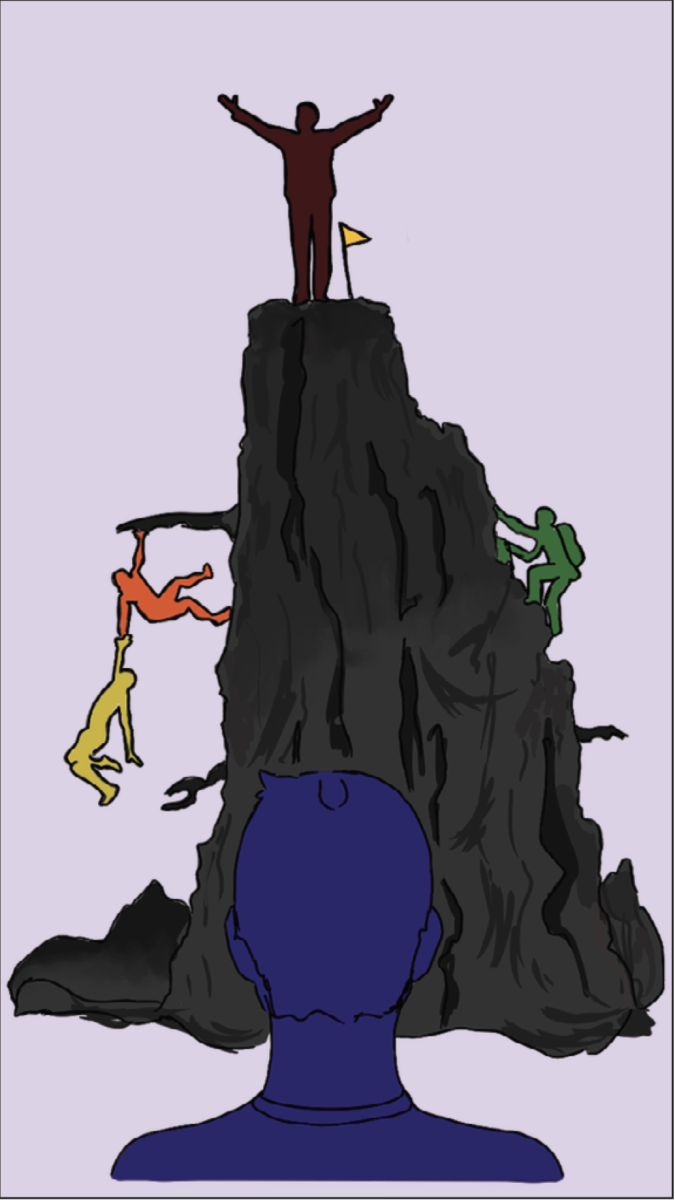
Respect does not exclusively apply to people in a higher social standing. Treating people with kindness, speaking politely and having trust is not solely reserved for people who have a higher status. Being older or more experienced does not earn someone more respect than their underlings. Parents and children, employers and employees, teachers and students, should show mutual respect for one another. Otherwise, an unhealthy power dynamic can exist within these relationships. The phrase “respect your elders” is often thrown around in these conversations, but what is left out is that your elders must also show respect for you.
People do not often remember what you did, they remember how you made them feel. Showing someone basic respect means that they will remember you positively, which can have long reaching impacts on one’s reputation and network.
Overall, respect is a part of human decency. People should not be denied respect for selfish reasons because respect is integral to the normal functioning of society. Respect encompasses the ideas of kindness, trust, and forgiveness, which should not be denied just because someone has not “earned” them.