In high school, health is easy to take for granted. Students are too young for most poor health choices to have caught up to them. To spend time and effort on things as mundane as diet, sleep and fitness can seem too costly for the lack of immediate payoff. However, investing in one’s health improves more than the present. It is also a tactic of prevention; a strong understanding of how to care for one’s body, especially in the developmental years of adolescence, is crucial to building a rich and fulfilling life.
At FHS, Athletic Trainer and Health Clerk Genia Zonoff and Strength and Conditioning Coach Christian Batiste are great resources to support students in reaching their health goals. Biology, physiology and kinesiology teachers on campus can similarly help students learn about health. A good place to start is learning about macronutrients.
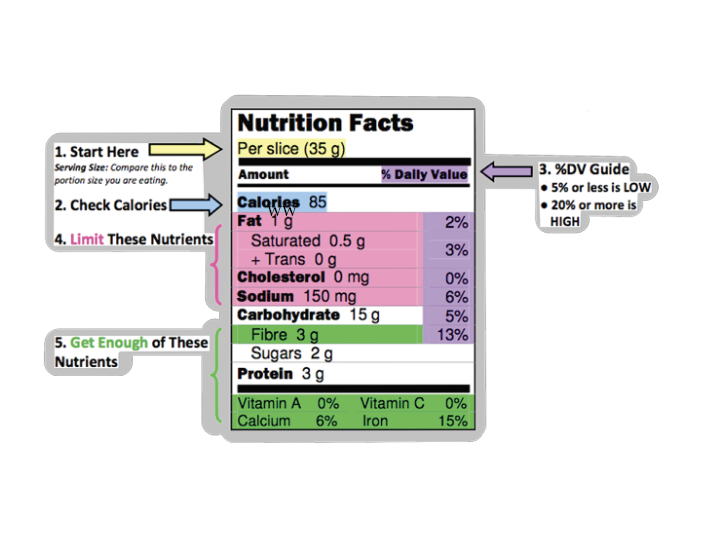
“What is protein, what is fat, what is a carb and what do those do for your body when it comes to performing in a sport?” Batiste said. “I would recommend a quick crash course on those three big macronutrients, and then, breaking it down and going into how much of those macronutrients you need on a daily basis and your total calorie intake.”
Making dietary changes can be challenging. It is important to define clear and healthy goals early on. For instance, if a student wants to lose weight, they should consider how dietary changes will affect their body. Decreasing caloric intake and increasing physical activity might sound like a good plan. However, if they do not consider the lost nutritional value from the foods they cut out, they might be denying their body essential nutrients and create new health issues. Zonoff described the importance of supplementing the nutrients of food that students cut out from their diets. Furthermore, switching around diets often, like going from vegan to vegetarian to pescatarian, can be harsh on the body. Focusing on a handful of dietary changes for several weeks, observing changes, and then adjusting for another period is a better approach.
“It’s all about balance: balancing fitness and diet, balancing what your diet consists of, balancing what time you’re eating, balancing how often you’re eating and balancing practice and the amount of activity you’re doing versus the amount of food you’re intaking,” Zonoff said.
With diet improvements, online information can be misleading. “A Day in My Life” videos, diet fads, products marked “fat-burning” and snacks with high protein labels can all mislead consumers. What works for one person may not work for another.
“Don’t believe everything that’s out there and do your own research,” Batiste said. “Or, if you don’t know, ask.”
Each person has different genetics, metabolisms, body types and needs, which are not taken into account in online content. It is important to learn slowly what works for one’s own body through experience and to be skeptical about promises from fitness and health influencers.
However, for many young athletes, issues do not stem from what they eat, but when they eat. Zonoff explained that students often eat in the morning, forget to eat throughout the day and then eat a large lunch before their sports practices. This, combined with a lack of hydration from not consuming enough water and salt, causes cramping and stunts performance.
It’s important for people to know that, three to four hours before practice, you need to eat so that everything gets digested properly, and then, your body can get the energy that it needs to,” Zonoff said.
Both Zonoff and Batiste emphasized hydration, fitness and sleep as parts of a healthy lifestyle.
“Sleep is one of the biggest ones that a lot of youth overlook, because you need time to recover,” Batiste said. “It is very vital if you want to reach that next level.”
Investing in one’s health early on is entirely worth it. Especially through developmental years, providing the body with nutrient-rich and diverse foods gives organs, like the brain and the muscles, the building blocks they need to grow well. Proper hydration, fitness and sleep are crucial parts of a healthy lifestyle. Healthy working bodies are remarkable systems and nothing to be taken for granted. With the many resources available to students on campus and online, health improvements or maintenance are viable. Giving one’s body — and therefore, oneself — the respect it deserves by making all possible efforts to care for it is one step down the paths of self-esteem, resilient strength and fulfillment.
“It’s not easy,” Batiste said. “Give yourself grace. You’re gonna have good days and bad days, but as long as you keep going forward with the process of the goal that you set, you’ll be all right.”