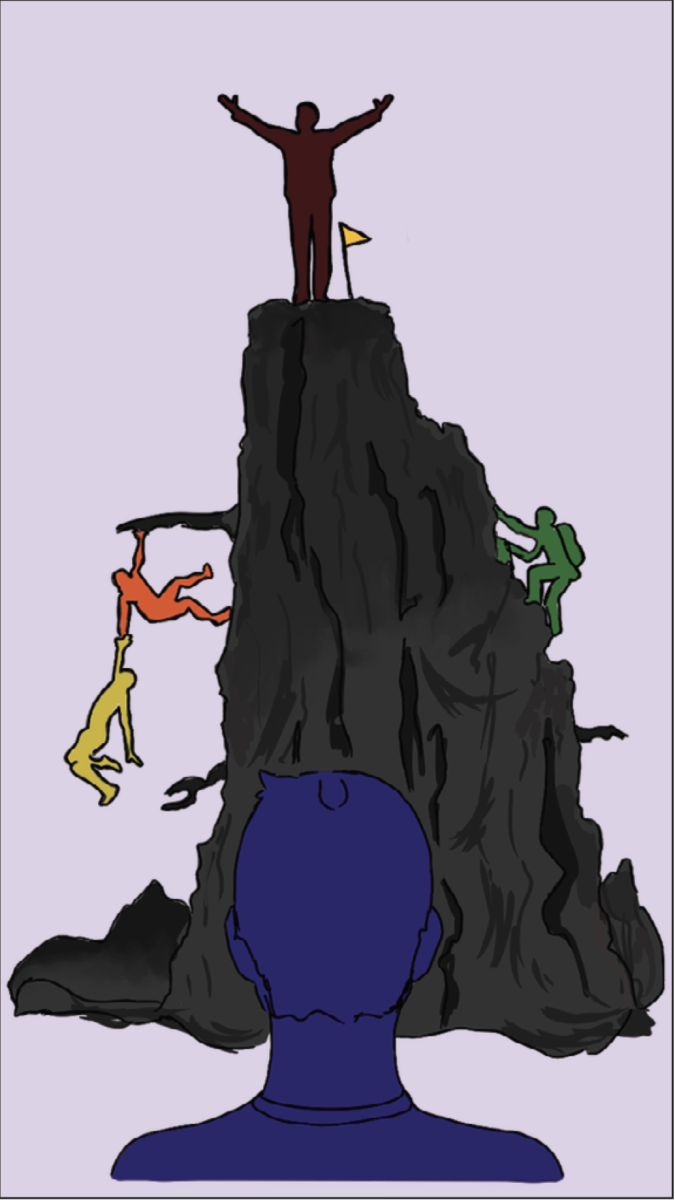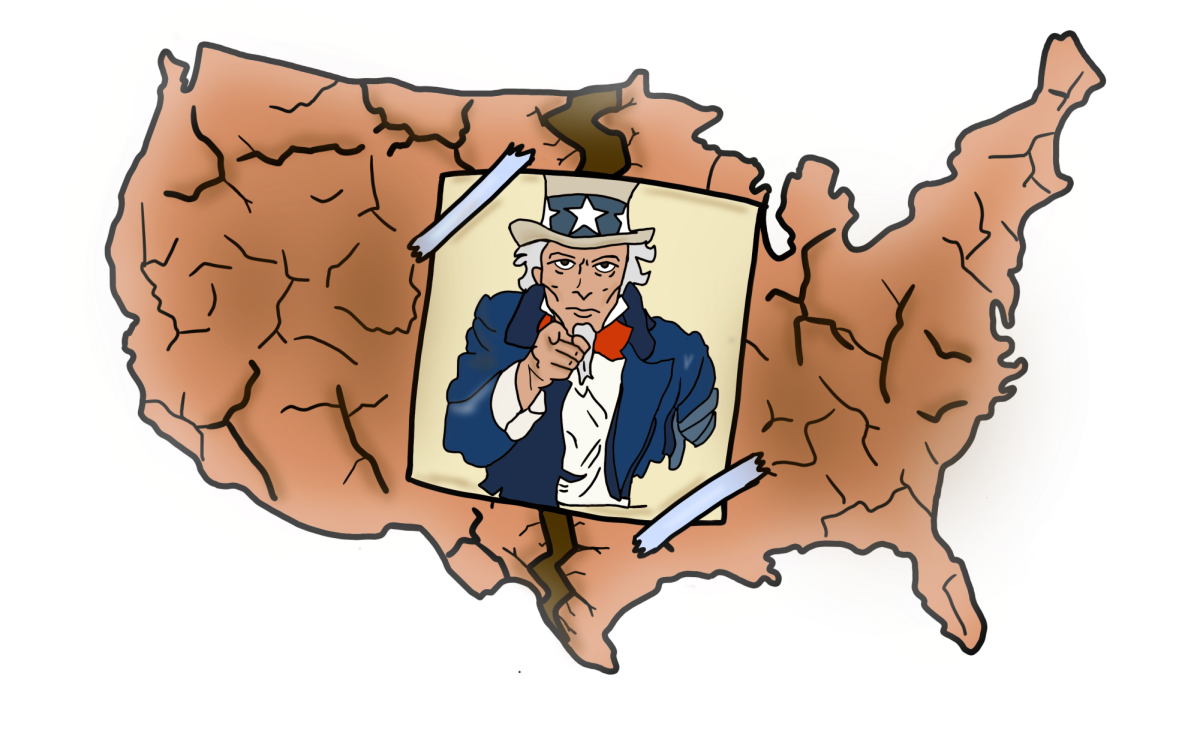
Propaganda is widely considered to be the biggest threat to modern democracy. It has been accused of eroding trust in mainstream media, hijacking critical thinking and merging with outright lying, all of which results in the breakdown of democratic societies. This viewpoint is not only counterproductive, but outright wrong. Because it relies on a misunderstanding of what propaganda actually is. But once understood, it becomes clear that without propaganda, democratic societies would be largely at risk.
Propaganda and lying are fundamentally different. Lying means spreading outright false information. Meanwhile, propaganda is much more nuanced. At its core, propaganda is boiling down the complexities of reality to a level where the common man can understand it, while adding an emotional appeal so the given information resonates with the audience. This difference is crucial.
Reality is in no way straightforward. Governments, legal systems and institutions function through complex mechanisms that are highly technical. Bureaucratic procedures are filled with technical languages, legal details and confusing checks and balances, which can easily overwhelm anyone who is not highly educated on the matter. One piece of legislation can span hundreds if not thousands of pages, and these are often filled with highly verbose language and cross-references that most cannot comprehend, simply because they lack the time and expertise to do so. Government agencies are equally complex, if a common person tried to study them in their entirety, they would lose interest, become confused or both, in minutes.
This is a problem. When people do not care about nor understand the political world, they have no reason to participate in it. This has been empirically proven many times: 40% of Americans who did not vote in the 1998 election cited lack of interest, and an additional 37% felt that national issues were not “vote-provoking” enough. according to Pew Research Center. Low interest plummets political engagement and voter turnout, which is intuitively bad for democracy. Reduced participation breaks down the very foundation of representative democracy.
Propaganda saves the day by giving people a reason to care using its aforementioned key components: simplicity and emotion. The key premise of propaganda is accessibility, everyone can understand it. When all the complications are filtered down to the lowest common denominator, what remains is a story with only the broad details, but more importantly, one that anyone can understand and form opinions around. Additionally, studies have consistently shown that when there is an emotional link to something, people care about it more. This way, propaganda turns distant political narratives into something relatable and actionable for the ordinary citizen. This process is surprisingly effective and is why propaganda is everywhere, even when it is not obvious. Political content, on apps like YouTube, Instagram and TikTok, are, 100 percent of the time, propaganda. To convince the audience that something political is either good or bad, especially in the timeframe of a minute or less, complex narratives must be boiled down to a level where they are so oversimplified that they no longer have any basis in reality. However, now the masses can actually form opinions on messages that are memorable and resonant. If you have ever come across a political video with thousands or millions of likes, comments or views, it only proves that what you are seeing is an epitome of propaganda, because it hits all its key functions: trigger an emotion, and shape your opinions fast on a topic that you would otherwise ignore.
Ultimately, propaganda is unavoidable. For social media algorithms, it generates views and money, and for the people in government, it is the most effective way to communicate with and convince the population to believe certain things. While this can be exploited and used to justify lying, lying is a human problem that has always existed, and it is the individual’s responsibility to fact-check information for themselves. In a world that is becoming more politically polarized by the day, the way that the masses understand it becomes all the more necessary for the institution that the West holds most valuable: democracy.