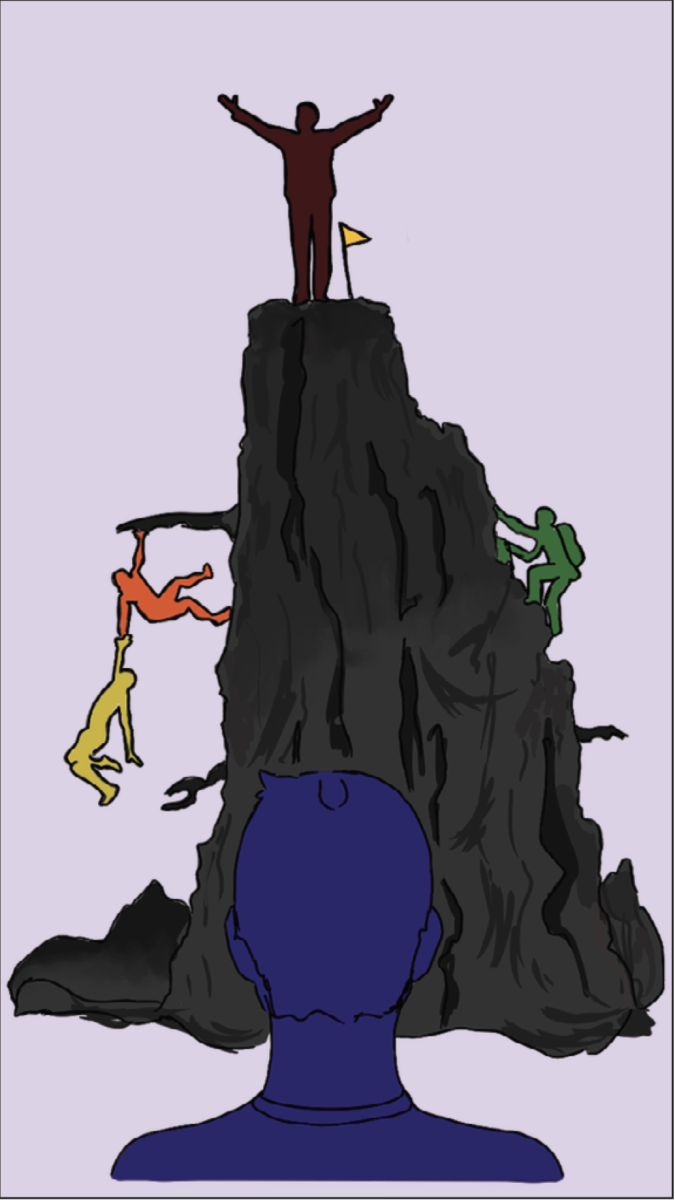
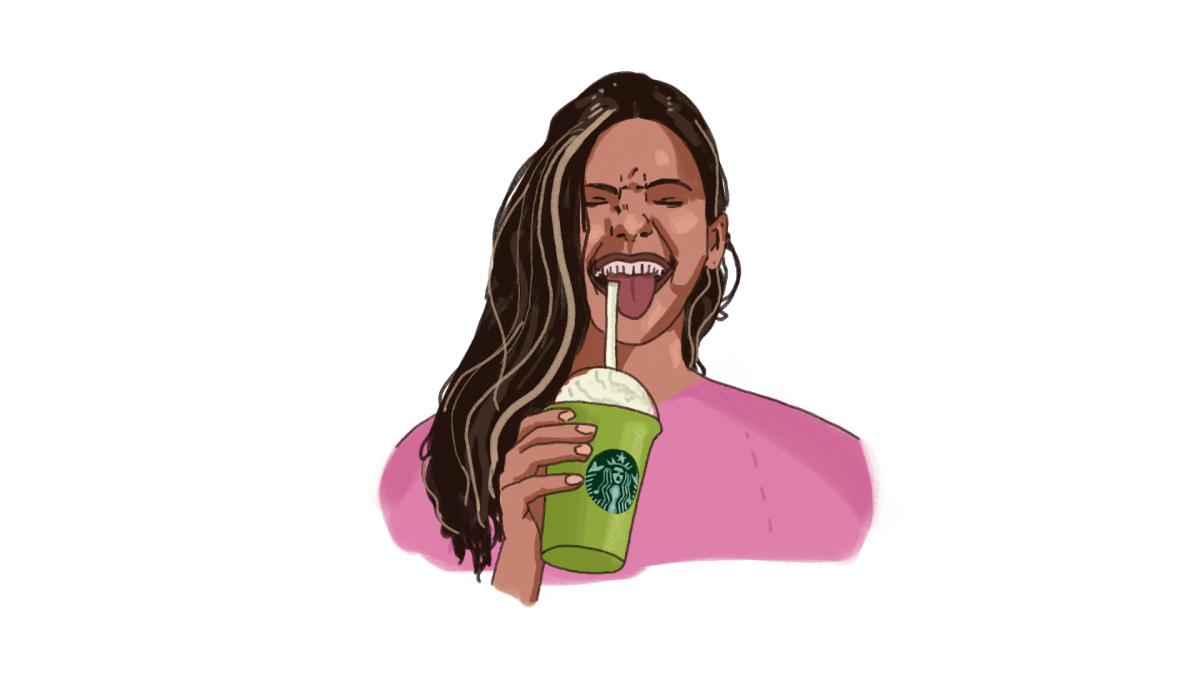
Before the rise of social media, news anchors, reporters and journalists played the main role in shaping the public’s understanding of current events. Today, influencers have taken over that role. Millions, especially younger audiences, now get their information and worldviews from social media stars who blend commentary with entertainment. This shifts power over public opinion to influencers. The only catch is that influencers are not commonly known for following the ethical guidelines journalists swear by.
Traditional journalism is run by principles of fact-checks, accuracy, transparency and accountability. Influencers on the other hand, present opinions and beliefs as facts, promote claims that have not been verified or profit from misinformation and gossip. Throughout 2022, fitness influencer Brian Johnson promoted his “ancestral lifestyle” and provided his users with advice to live and breathe healthy. His advice occasionally consisted of some pseudoscience, such as telling his viewers to eat raw animal organs and not use sunscreen. However, emails leaked by an unknown source in November of 2022 revealed Johnson emailed a hormone clinician for steroids monthly, spending around $11,000 for each dose. The leak uncovered the dark, fake side of Johnson’s online persona, splitting what was visible versus what was true.
When influencers like Johnson with millions of followers boldly discuss their opinions or advice that is not backed by scientific evidence, their words sway viewers. Algorithms reward popular content instead of facts.
Views, likes and shares now override raw, truthful and sometimes uncomfortable information and facts. Sensational or emotional posts spread quicker than careful reporting. Pivotal events or movements, viral videos made by these social media personalities often receive more attention in comparison to reliable news. While these posts seem harmless, viewers overlook the false or evidently misleading information and set out to emulate their idols, influencers, in hopes of replicating their success. However, viewers fail to grasp the fact that influencers do not always present the complete picture, and they often end up in worse circumstances because of a badly implemented shortcut.
Unlike journalists, influencers nearly never face consequences for spreading misinformation. Some even use controversy to attract more views and make money. For instance, Johnson promoted the consumption of unconventional and sometimes downright bizarre foods in the pursuit of a healthier lifestyle, and was ultimately revealed to be a fraud. The leeway we give influencers destroys the idea of public trust and makes it harder to tell the difference between truth and entertainment, leaving people unsure of what to believe, and often trusting misinformation. As more news-like content appears on social media, making the distinction between opinion, rumor and fact becomes more difficult, especially for younger audiences.
If influencers want to inform the public, they need to take on the responsibilities that come with that role. Platforms and audiences should uphold the journalistic and ethical standards. Simple steps like citing reliable sources, clarifying when something is an opinion and correcting errors can help rebuild trust. Social media platforms play an important part in helping younger audiences and general viewers navigate a world where entertainment and news often mix. Therefore, influencers need to ensure that their platform is used to inform, not mislead.
While influencers should not be silenced, their cultural authority and contributions must be used responsibly. The digital era has blurred the line between entertainment and information, and it affects how we as a society form our critical thinking and beliefs. Influencers have the duty to use social media platforms truthfully, thoughtfully and ethically and to respect the trust their viewers put in them.