Infamous singer Drake is set to release his new album Iceman in late 2025. However, in his latest teaser, he sampled the song “Wahdon.” “Wahdon” by Fairuz — a revolutionary Lebanese singer — holds much cultural value. The song is drenched in grief, as it tells the story of three men who immensely helped their community until their disappearance. Later in the song, it was revealed that those men were resistance fighters during the Lebanese civil war. Yet, when Drake used “Wahdon,” no one knew its history. The cultural weight was reduced to background music for Western consumption.
While Drake erases the meaning behind the song “Wahdon,” he is not the first to do this. In the 1990s Madonna sampled another Fairuz classic; El Yaoum “Ouloulak,” from her album “Erotica.” The Arab community was distraught over the song because Madonna’s sexual pop genre took away the heavy cultural meaning of Fairuz’s song. This instigated fear within the Arab community, that their culture was being used for the entertainment and appropriation of others while not being represented themselves.
But these are not isolated instances. The Middle East has made countless contributions that have shaped our lives, yet the world rarely gives credit. For example, the first alphabet originated from the Canaanites, in what is known today as Palestine. This influenced all modern alphabets, including the English alphabet. Similarly, our writing system was created by the Sumerians — modern day Iraqis — and was known as cuneiform. Additionally, hospitals, surgical instruments and anesthesia all come from Middle Eastern innovations. Even coffee, the second most popular drink in the world, was first brewed in Yemen. From the first university built in Morocco to the first library made in ancient Babylon, Middle Eastern innovations have shaped how we live and learn. Knowing where these inventions come from is not just about giving credit, but when people think of the Middle East as nothing but conflict, they forget that the foundations of science, language and medicine began there.
Even today, Middle Easterners are still contributing to the world. Whether through Palestinian embroidery being displayed on fashion shows or new medical innovations in Dubai, this creativity still continues in the Arab world; it has just been overlooked.
So overlooked to the point where celebrities use sacred Arab music without knowing its deeper meaning. Drake’s sample of Fairuz’s song is not an isolated case. Madonna did it in the 90s, Rihanna used an Islamic hadith for her fashion show and luxury brands had Arabic calligraphy and hijab inspired designs without mentioning their origin. It might seem like appreciation, but in reality, it is appropriation without the recognition the rich Arab culture deserves.
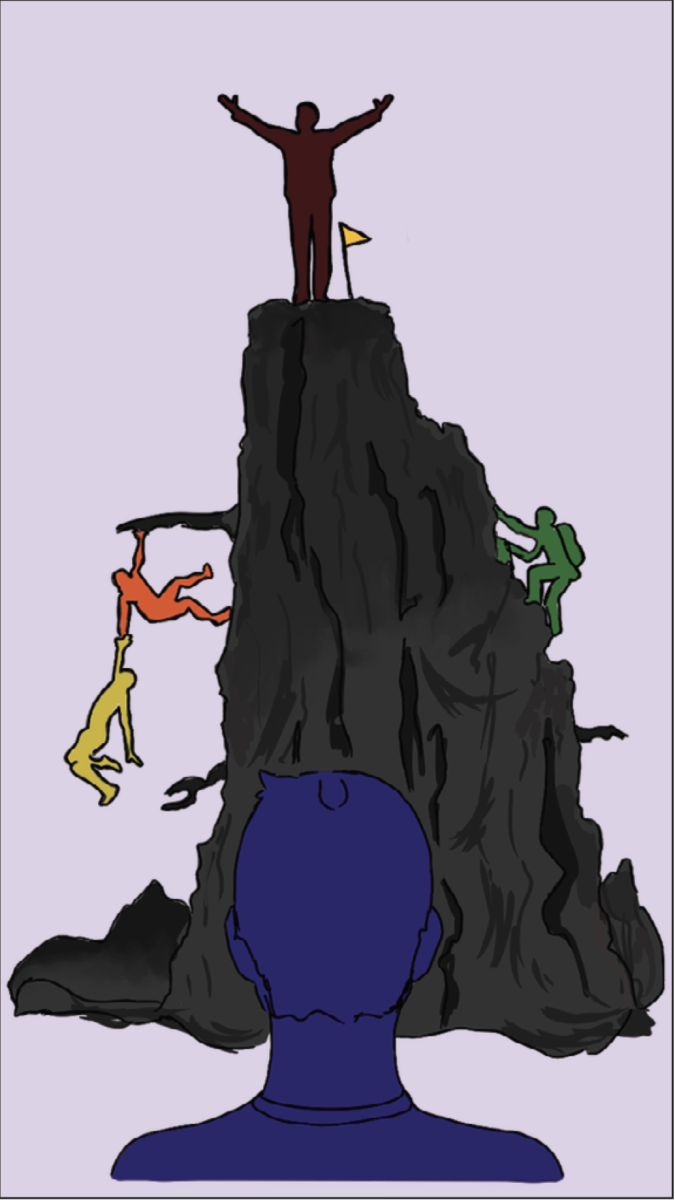
Despite these contributions that have impacted our daily lives, the media continues to disregard the Middle East for its achievements, and portrays the region as one filled with chaos and violence. Rarely is it seen as a place of innovation and creativity. This selective recognition allows people to enjoy certain aspects of Arab culture, such as the music or food, without understanding or recognizing its origins. Drake sampling Fairuz becomes another example of a bigger issue: cultural appropriation disguised as inspiration.
There is nothing wrong with finding inspiration across cultures, but not when the cultural significance is erased. Appreciation and recognition mean listening to the story and history behind these contributions. The Middle East needs visibility for the beautiful pieces of art and philosophies provided instead of being recognized for violence and war.