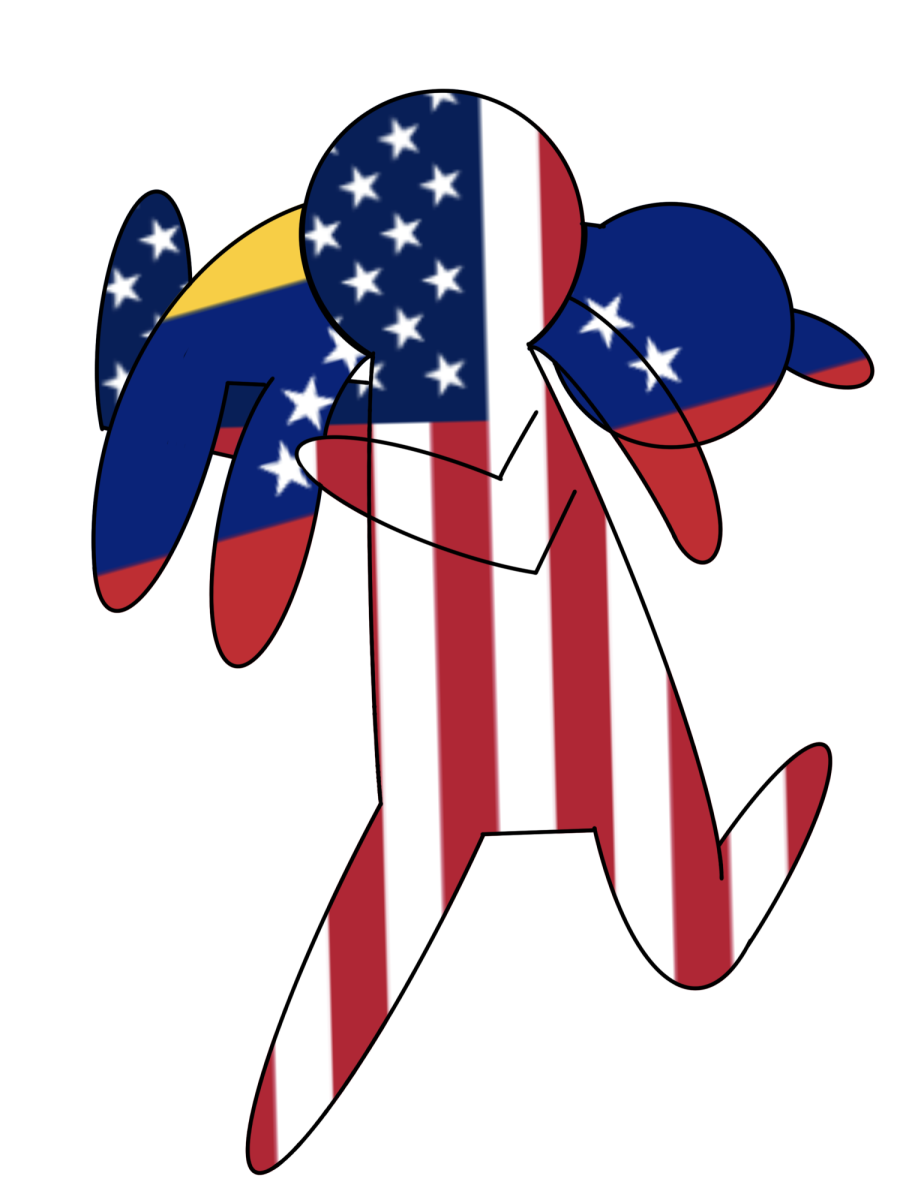
Recent U.S. military actions in Iran and Venezuela warrant an age-old question: Should the United States stop conducting regime changes? Regime changes are a type of military intervention, an operation where a country uses coercive military force to interfere in the domestic affairs of another state. Since World War II, the United States has engaged in regime changes and covert operations in more than 50 countries. The problem is, these operations, through destabilization and breeding terrorism at the expense of the American people, do unimaginable harm to the target and the world beyond.
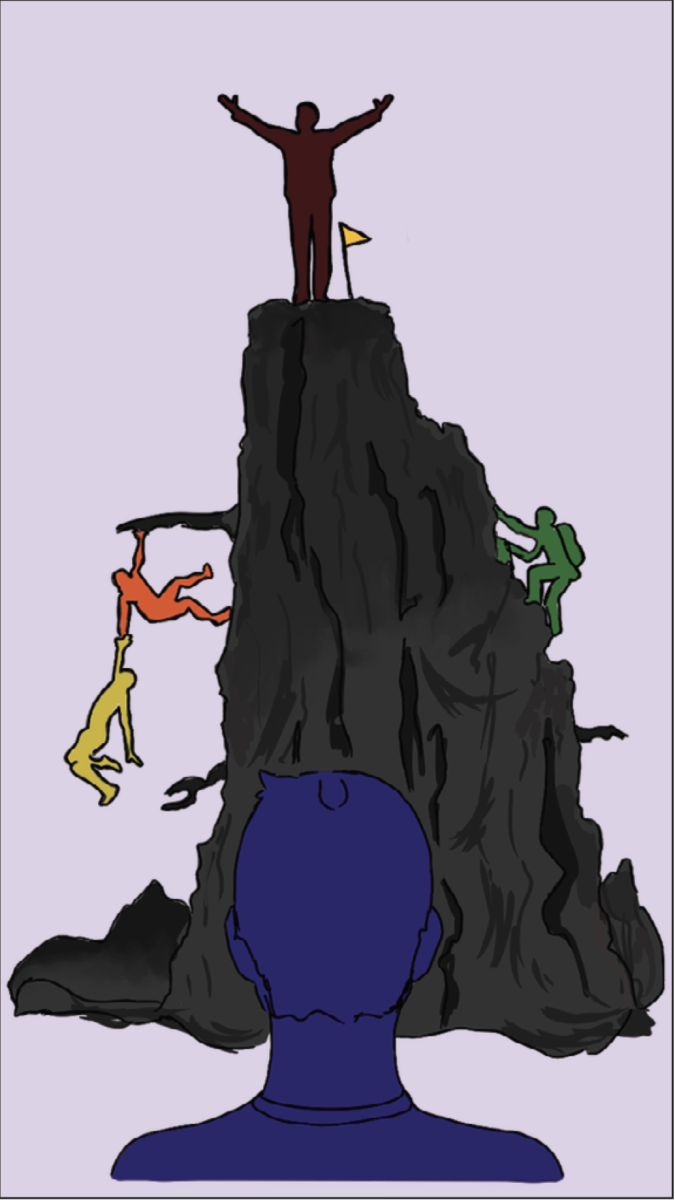
The United States conducts regime changes for its own geopolitical benefit. During the Cold War, this meant ousting pro-Soviet governments that threatened U.S. political or economic interests. However, prioritizing politics over local conditions yielded disastrous consequences — frequently increasing repression, worsening democracy, fueling conflicts and breeding corruption, according to Cato Institute in 2020. This explains why U.S. covert operations during the Cold War failed more than 60% of the time, according to political scientist Lindsey O’Rourke, and why regime changes cause significant harm to the people involved.
Iraq is an epitome of the disaster caused by regime changes. In 2003, the United States and its allies invaded Iraq to oust Saddam Hussein. The resulting war, nearly a decade long, directly caused more than 600,000 Iraqi civilians to die within the first few years. The same pattern is seen in Afghanistan, where the war lasting two decades caused 250,000 Afghan civilians to die, with many more dying from hunger, injury and other forms of devastation caused by the war. In Guatemala, the CIA coup that ousted the democratically elected president and replaced him with a U.S.-backed regime led to decades of genocide, torture and 40 years of civil war — the bloodiest in Central American history. In total, close to 14 million people have died across the world as a result of U.S. interventions, according to the Centre for Research on Globalization in 2015.
But why do regime changes cause so many deaths? The reason is simple: militaries are functionally built to kill people. A tank can topple a dictator’s palace, but it can not write a constitution. Even in oppressive, authoritarian countries, U.S. regime changes usually leave the targets worse off for the aforementioned reasons. This explains why the prime examples of U.S. regime changes like Libya, Iraq and Afghanistan are now epitomes of humanitarian crises.
But amidst all the instability created by regime changes, another issue arises: terrorism. When local governance and social structures are destroyed, power vacuums emerge. The lack of authority allows rebellion movements to grow, morphing into terrorism. Further, the problems caused by regime changes fuel anti-U.S. sentiment, which terrorist groups capitalize on. An example of this can be seen once again in Iraq. When the Ba’athist was destroyed, this created fertile grounds for corruption, which many researchers agree directly facilitated the rise of ISIS. In Afghanistan, data has shown that Al-Qaeda grew exponentially larger after 9/11, reaching 40,000 members by 2020. Other studies have linked the rise of Al-Shabaab in Somalia directly to U.S. military activity in the country, and linked the Libyan regime change to Libya now being one of the most corrupt countries in the world, plagued by terrorist groups. In total, the impact of regime changes on terrorism cannot be understated. 2015 saw nearly 40,000 people die from terrorism and terrorist attacks, a near 400% increase from 2001. Additionally, the number of terror attacks rose by 1,900% in the seven Middle Eastern countries that the U.S. intervened in during the war on terror, compared to a meager 42% rise in Middle Eastern countries that saw no U.S. intervention.
Despite the damage done abroad, regime changes come at a cost to the American taxpayer. The U.S. spent eight trillion dollars on the post 9/11 wars, and over 10 billion on current operations in Iran. This reflects a broader tradeoff; military action and regime changes happen at the expense of domestic needs. As military spending rises, less funding is left for other sectors like healthcare and education, which directly limits investments into more socially beneficial programs, according to Professor Petlier in 2025.
U.S. regime changes, driven by political motives, backfire — destabilizing countries, breeding terrorism, and causing millions of deaths while failing to achieve lasting stability. Meanwhile, operations place a massive financial burden on Americans, stripping critical sectors of necessary funding.