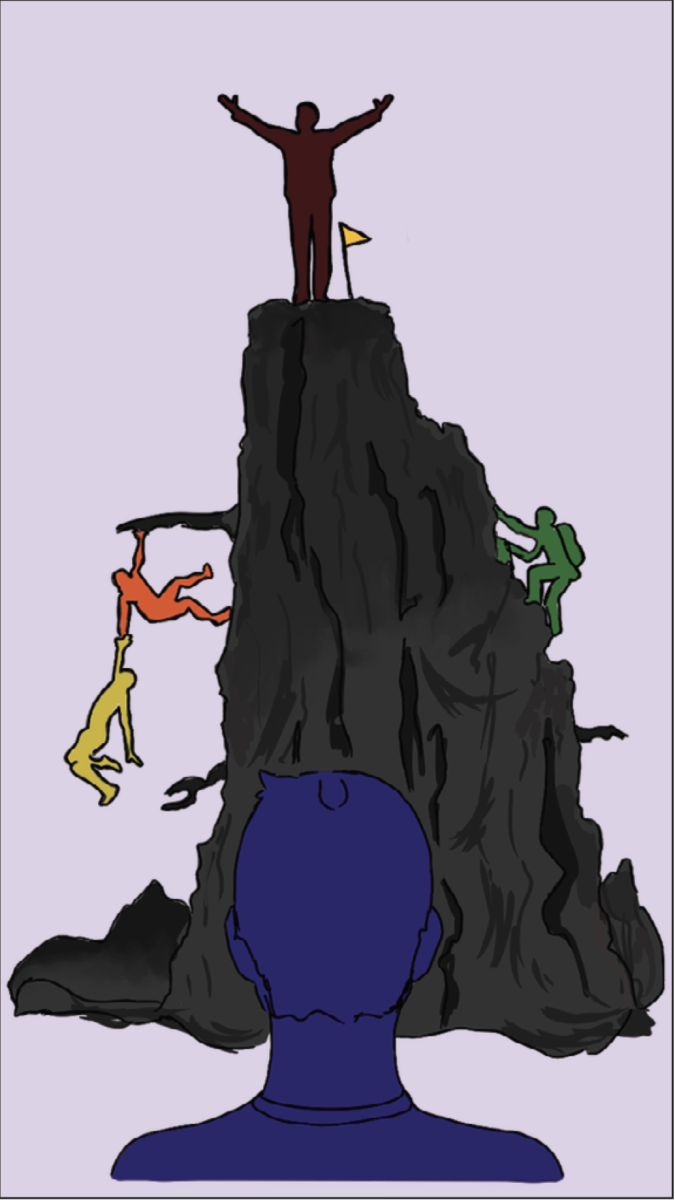
One in seven 10-19-year-olds experience a mental disorder, which accounts for 15% of the global diseases in this age group, according to the World Health Organization. Nowadays, mental health issues are one of the most significant challenges that the younger generation faces.
The increase in mental illness could be a result of teenage culture. This includes high academic pressure, excessive use of social media and increased awareness of societal issues. With college admissions becoming more and more competitive, the academic pressure placed on high school students can drive many into unhealthy perfectionism, which ultimately damages their well-being. Social media, which was once a source of pure entertainment, has now exposed many teens to societal issues and unrealistic standards. Constant comparison between peers sets unrealistic expectations and causes stress, further worsening their mental health.
Many schools and districts have been working to accommodate the needs of the younger generation as there have been different learning tools, such as flexible seating, that have been implemented to adapt to student’s different learning types. If we can accommodate how they learn, why can’t we accommodate their mental health needs, which are equally as important, by giving them excused absences?
A mental health day does not need to be an entire day; it can be a few hours. A mental health day is more about what you do to reset. During mental health days, students have the opportunity to unplug from social media and do what brings them joy. Catching up on sleep or going for a walk are examples of activities that students can implement. The only requirement for a mental health day is that one focuses on themselves and reduces additional stress or worry.
There have been some changes to FHS to help meet student mental health needs. FHS implemented the wellness center last year, which serves as a safe space for students to go and relax if they are feeling overwhelmed. While the wellness center can be helpful, it is not always enough because students may need more time than can be allotted at the wellness center. Even if these accommodations could excuse a student from school, not every student who might need to take a day off once in a while will fit into one of these accommodation plans.
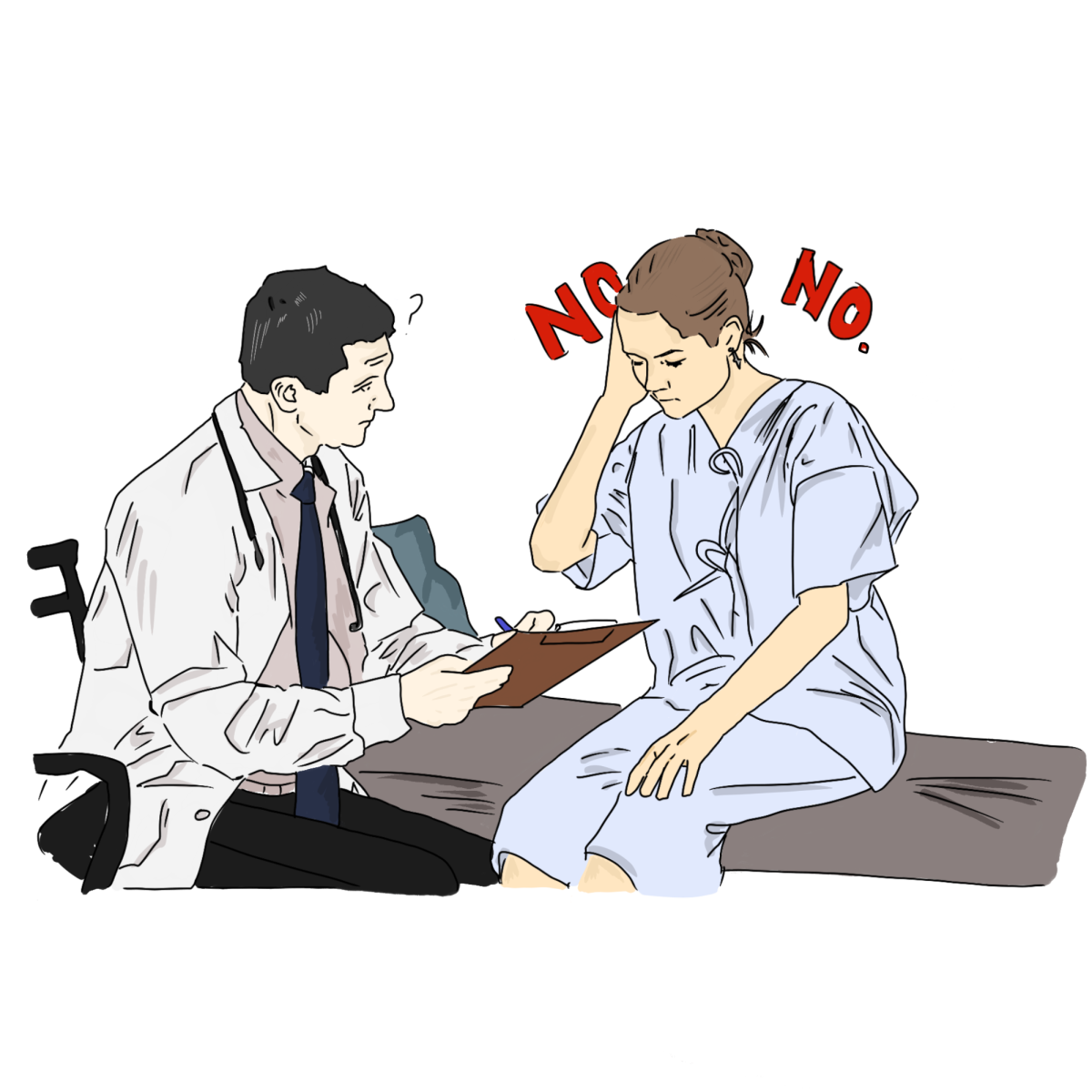
49% of all students reported feeling stressed daily, according to NYU. Students can go months without breaks or additional days off. The constant workload of balancing homework, studying and other extracurricular activities can lead to burnout. It is widely accepted that taking sick days when feeling under the weather and mental health is just as important as one’s physical health, so why is it not treated as such? Especially when there is a correlation with mental and physical health. Stress negatively affects chronic conditions, like diabetes and cancer. Taking a mental health day to manage stress can improve symptoms, according to the Mayo Clinic. Taking a few days off per year can greatly improve one’s quality of life.
As the new generations face increasing mental health issues, it is important for us to acknowledge and adapt to their learning needs to ensure that our next generations are successful. We can start this movement by recognizing that mental health days are not just about someone being lazy. Mental health days are needed to protect one’s peace, allowing one time to reset and rest before they are thrown back into the reality of life.