Imagine a security guard watching an array of security camera feeds. One camera goes out. No big deal, the guard still has several others pointed toward that spot, surely they will catch any potential burglars. Another goes out, then another, until a majority of the feeds have gone black. Do you still trust that the security guard will catch the burglar?
Truth is the idea that our beliefs and words conform to reality. To find the truth, we ask a question, develop a hypothesis, conduct an experiment and come to a conclusion. This process of creating truths can be as simple as using our senses to build an understanding of our surroundings, or as complex as sequencing genomes to identify mutations. These conclusions that are made can be used to interpret our world. Lies or obfuscations of truth, like malfunctioning cameras, are inevitable, but it comes to a point where deviations from the truth become harmful enough to remove us from our reality, where we make decisions based on inaccurate incomplete information, and harm ourselves and others.
We call the current era the information age, not the truth age. In the information age, everyone is a science communicator, but nobody is held to the standards of truth that traditional media require. Simple, shocking statements allow people to feel as if they are on the inside, like they have special knowledge that gives them an advantage over everyone else. In the information age, it is easy to find an answer, not necessarily a true answer, but an answer that will allow the disillusioned or uninformed to feel vindicated. For example, the common idea online that “processed food causes cancer” is incomplete. “Causes cancer” implies that processed food damages DNA, causing tumor growth. However, it is not a simple cause-and-effect relationship. Processed food comes with more risk factors, like low fiber, additives and packaging contaminants, all of which could increase the risk of cancer. Simplifying complex issues like this gives an incomplete picture of the situation. While not the healthiest, processed food increases food accessibility due to its lower cost and increased convenience, albeit with some increased risks.
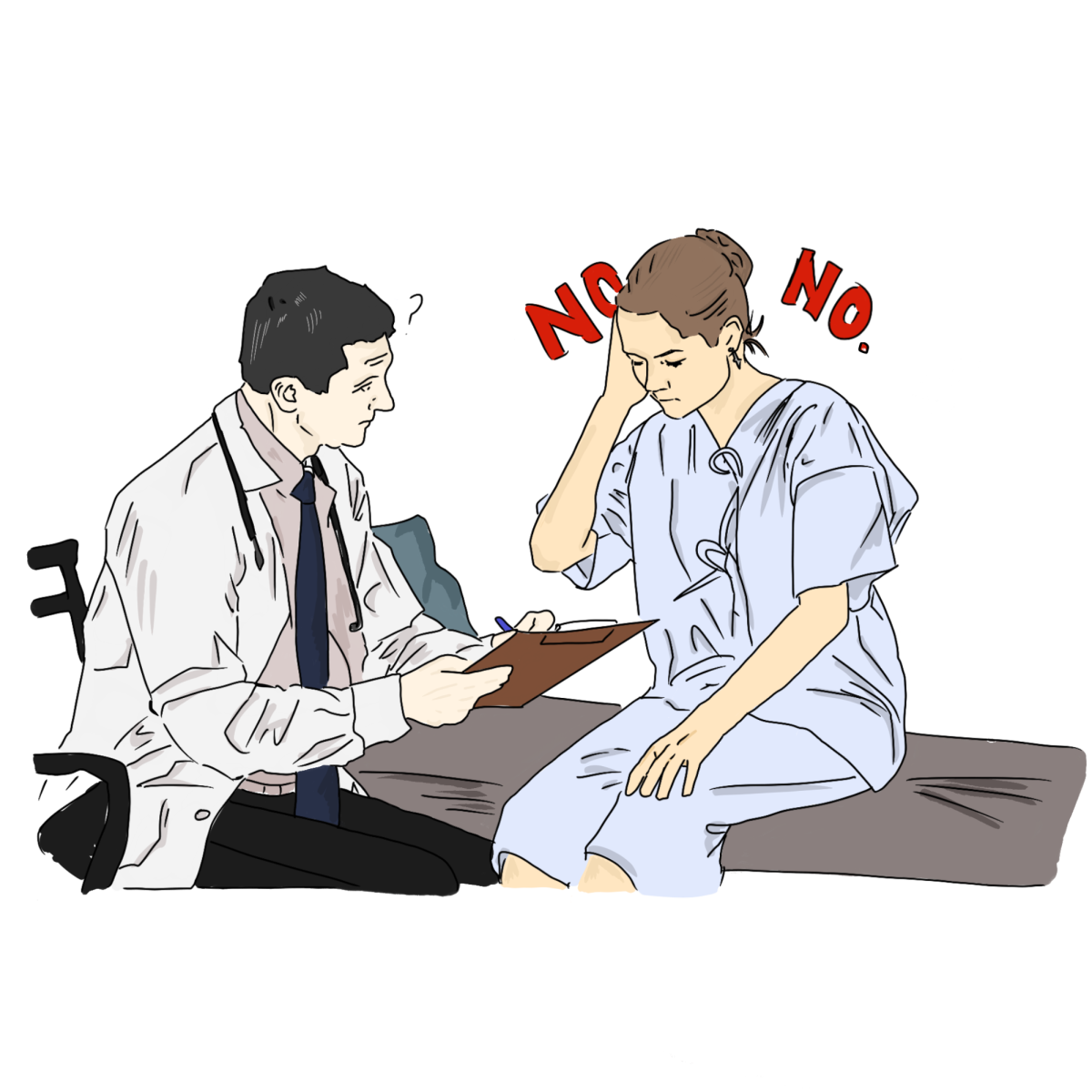
Even more harmful than misinformation, pseudoscience and conspiracy theories masquerade as truth. They benefit from the reputation of the scientific community by pretending to originate from it. Everyone has heard of the raw milk, anti-vax and flat-earth communities, all of whom feel like they know the truth, despite mountains of evidence against them. The nature of these lies, being attention-grabbing, also allows them to gain traction among these alienated groups. It is easy to dismiss these groups, but those wishing to gain power are able to capitalize on these people’s distrust of the establishment.
Disillusionment with an imperfect system has led to a change for the worse. By playing into misinformation and by betraying truth, our leaders have created a dangerous environment where the people cannot trust our institutions.
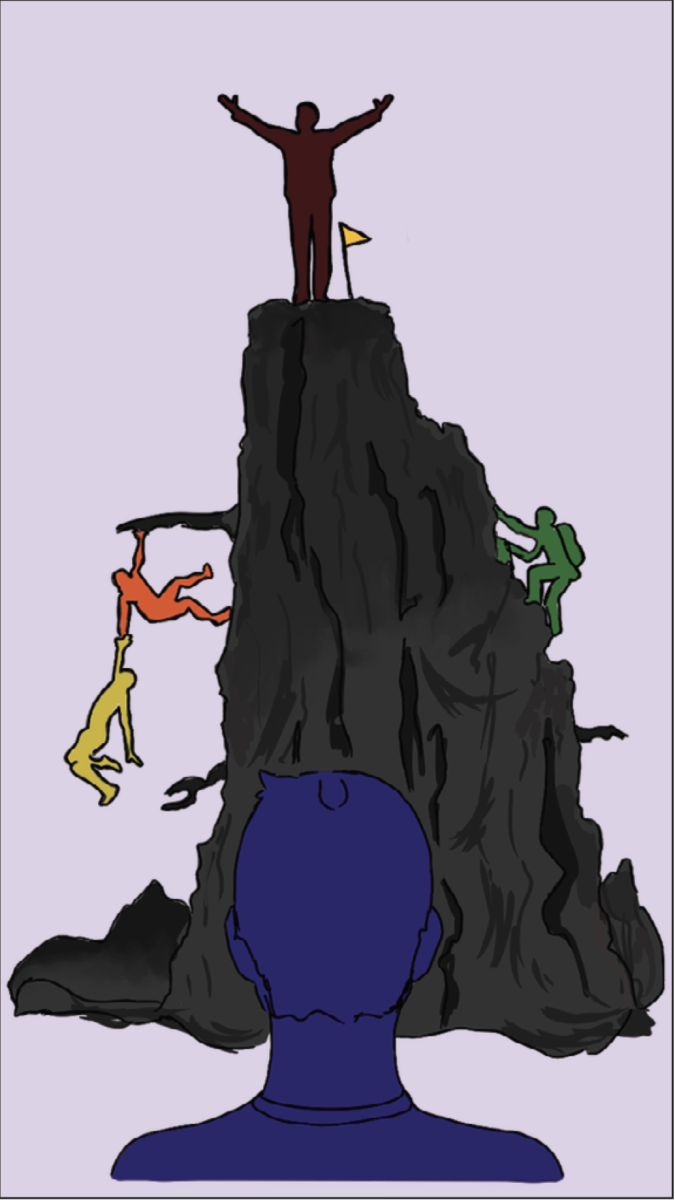
Right now, although research institutions and government are financially intertwined, science and scientific consensus are stable and trustworthy. However, it is imperative to remember that one study cannot be equated to scientific consensus. Science is more dynamic than people think. We need to take every study as a new piece of evidence toward our understanding of the world, not as the absolute truth. We do not need more headlines, more TikToks, falsely equating these concepts because once an idea is cemented in people’s minds, they become prideful. They see the challenge of an idea as an attack on their intelligence for accepting it as true.
Ultimately, if we value truth, if we want to understand the world as it is, rather than what we want it to be, we must foster curiosity instead of outrage. Curiosity requires a more active desire to learn about the truth. A curious person pursues the truth, they absorb evidence and actively build an image of reality. They take an active role in their own understanding of the truth, they determine truth by themselves, instead of relying on others to tell them what is true.