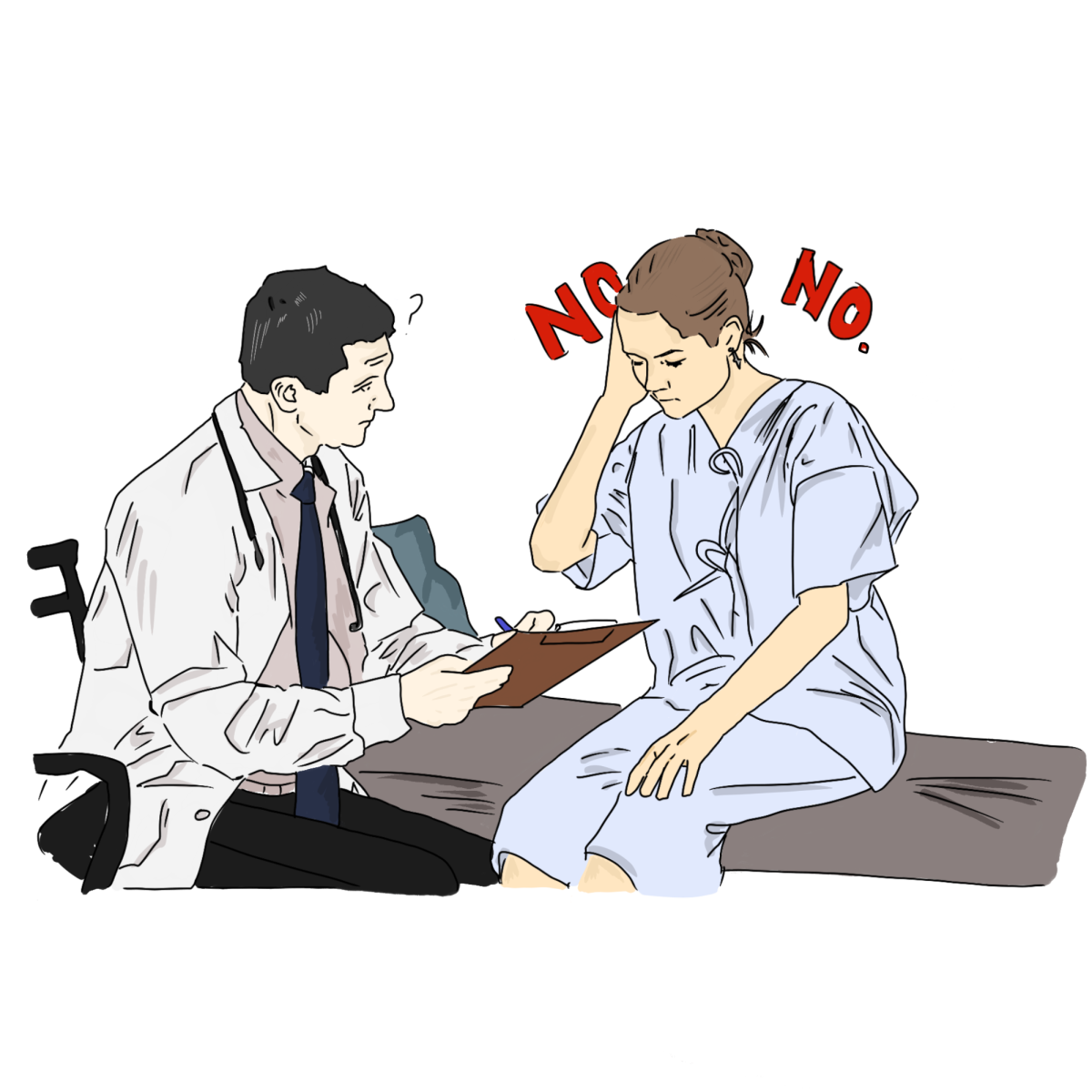
The words and phrases “that’s so autistic” and “you’re so SPED” float around high school campuses, looming in conversations without anyone realizing the meaning. Yet, these recent terms are only newer versions of slurs that have been used to marginalize the disabled community.The R-word which was introduced in 1961, was originally used as a medical term for people with intellectual disabilities. However, this eventually evolved into an insult, directed towards the disabled community, according to Special Olympics.
These terms, which are heavily normalized, are protected by those who believe that this issue lacks importance. Though the usage of these phrases may not be directed towards a disabled person, the connotation it holds invokes the idea that disabled people are not capable, and ultimately degrades them. Phrases like “that’s so autistic” imply that someone who has autism is incompetent. Social media has become a big propeller of these phrases, as newer ableist language often originates from there. Similar to other trends, when people use this language more, it influences others to follow, spreading this mindset forward, and especially towards youth.
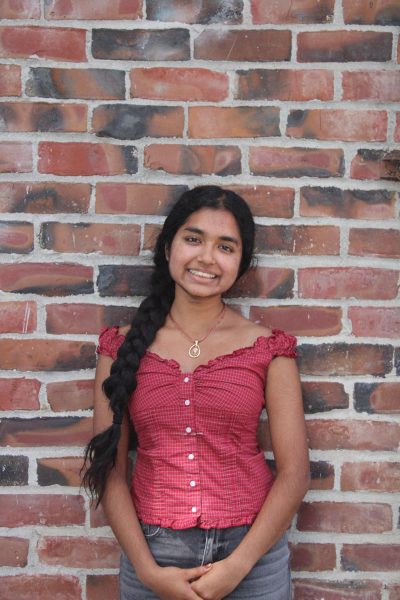
As these beliefs become more popularized, so does the idea that those with physical, intellectual or chronic disabilities need to be pitied rather than seen. HHS senior Jessa Yang explains the judgment she has faced due to her physical disability of being a wheelchair user.
“I’ve definitely felt judged because of my chair,” Yang said. “Sometimes people treat me really nicely because they feel bad for me. And while I appreciate the extra kindness, it can be patronizing and I don’t want anyone to do something for me out of pity.”
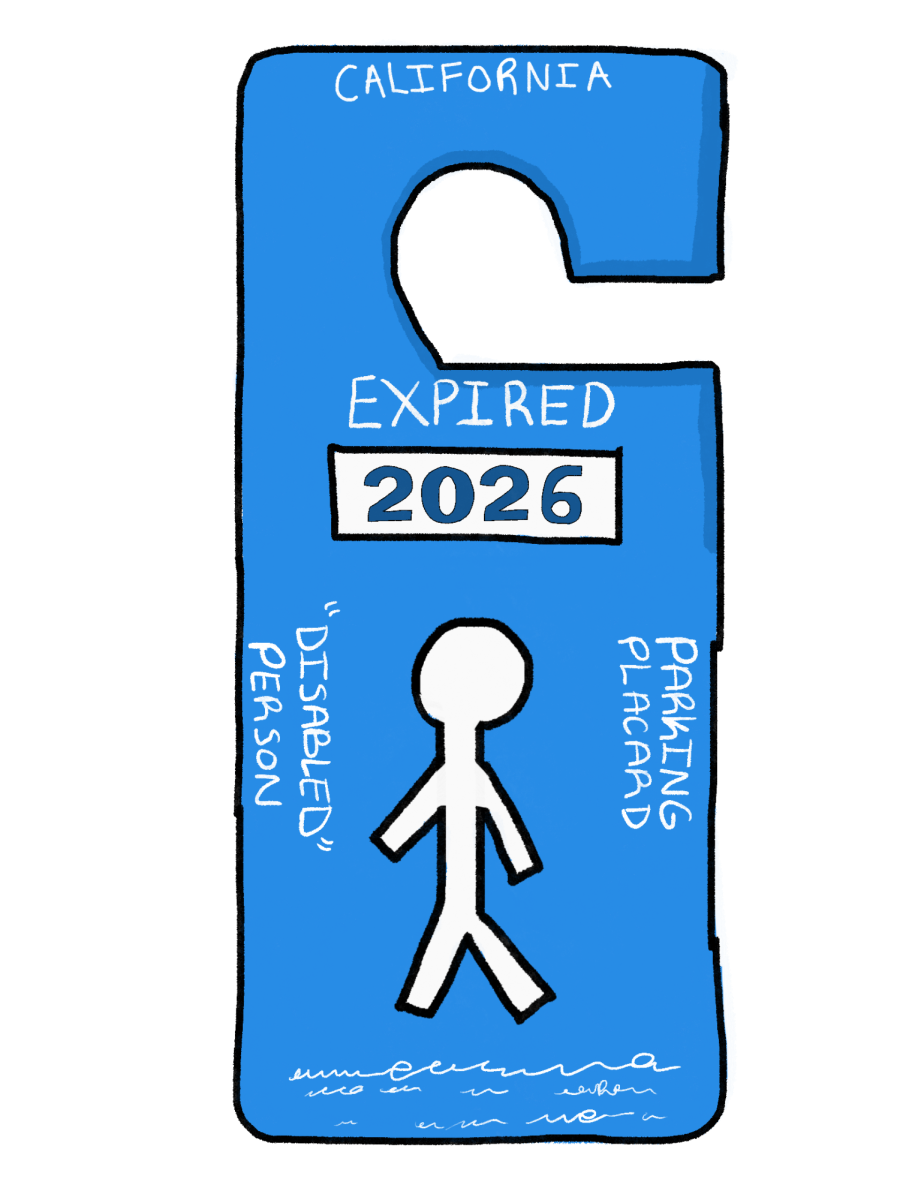
Feeling babied or being viewed as incapable can lead to the perception that disabled people have more benefits and easier pathways when doing tasks. Often seeking attention and advantages, people who fake disabilities abuse the system, creating issues for those who are actually disabled. Since disabilities can manifest in many forms, it has become common to fake neurodivergent disabilities to gain the accommodations they view as advantages. In 2019, a major standardized testing scandal occurred where students were able to cheat on exams by pretending to have learning disabilities, according to PBS News. Since the initial exam policy was aimed at helping students with actual learning disabilities, parents and students without disabilities used this as an opportunity to exploit the system. In addition to the exam cheating scandal, in 2020, a surge of TikTok creators pretended to have Tourette’s syndrome, gaining sympathy and clout from users. These influencers stole the much-deserved attention and sympathy from actual creators with Tourette’s, and instead fed off the struggles people with Tourette’s face for their own selfish gain. Along with neurodivergent disabilities, theme parks, such as Disneyland, have tightened their policies for disabled people. Due to people constantly abusing the system by faking a disability, Disneyland now requires a video interview for guests to “prove” their disability, which only causes more hassle.
Although accommodations ensure equal access to people with disabilities, the stigma that accommodations are unfair and for the “helpless”’ creates the illusion that disabled people are inferior. Rare disease advocate and Holton Arms High School junior Nell Choi describes the importance of accommodations — especially as someone with a chronic illness.
“Accommodations are merely supports that enable us to have a fair chance of success and participation,” Choi said in an interview over Zoom. “Before jumping to the idea of accommodations as ‘special treatment’ or an ‘unfair advantage,’ first consider how it feels to live in a body that is constantly fatigued or to have a mind that struggles with auditory processing.”
Even though these topics have been somewhat discussed, and are the forefront of issues in today’s society, not much action and awareness has been taken. While the disabled community continues to advocate for these issues, others do not feel the need to take a stand. What the youth and people need to understand is that change does not happen overnight. Especially when tackling issues that have historically been underrepresented, the first step is to understand the struggles that individuals with disabilities and their families face. By looking at them as actual people, rather than the butt of a joke, it becomes easier to stop and call out microaggressions and harmful trends. In return, the idea that disabled people are lesser than dissolves, making room for empathy and change to flourish.