Parents are often the center of one’s world from childhood until they gain independence. The person you grow into is heavily influenced by the way your parents raise you. Different styles of parenting can result in the way one has grown into as an adult and have a heavy impact on how one handles their future. Considering this, parenting is one of the most impactful responsibilities one can have.
Parenting styles heavily influence the development of a child’s personality, including behavior, emotional and social outcomes as well as their mindset. Something as simple as sitting together as a family to eat dinner or the way one’s parents handle different situations can affect the trajectory of a child’s life. Parents are constant role models and influence for how children handle their emotions, challenges, and various aspects of their lives. For instance, children of parents who handle crucial situations with calmness and patience grow up carrying the same mental process. However, children of parents who handle situations with anger and haste end up having a closed mindset and no critical thinking skills. Therefore, parents must put themselves first and regulate their own emotions before surrounding themselves with children.
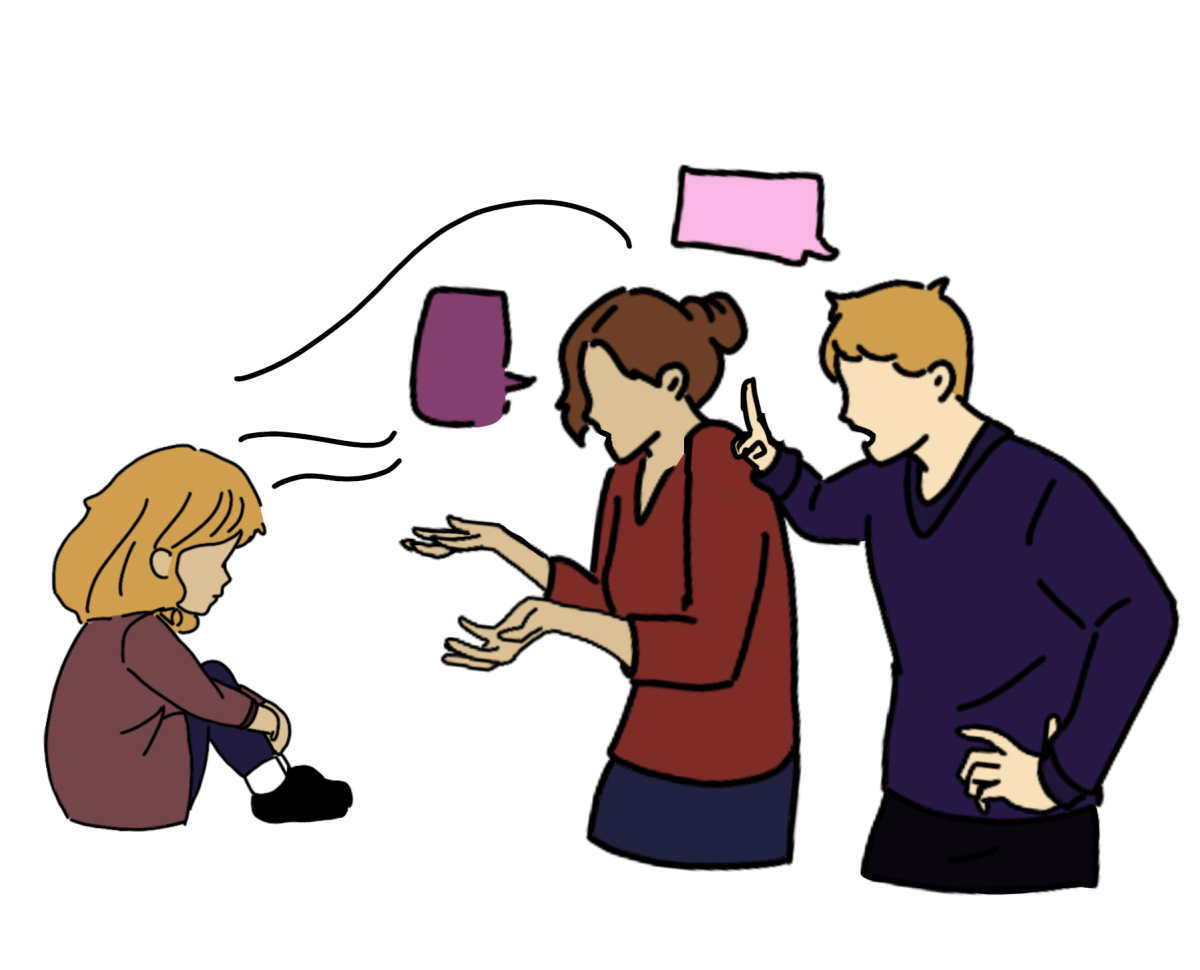
A certain parenting style that had a heavier impact is the authoritarian style, dating back to the 19th and early 20th century. This parenting style is known as the traditional, control-based approach, where children are heard and not seen. This includes dismissiveness, high standards and strict control over a child’s behavior. This parenting style leaves children insecure or uncertain and most definitely unhappy. These effects impact not only their overall development but also how they manage emotions under pressure. In many cases, this form of parenting may cause individuals to respond to stress with aggression, which can later affect their ability to handle situations with ease. In modern times, this is adapted to “Tiger” parents who constantly control their children and the activities they do.
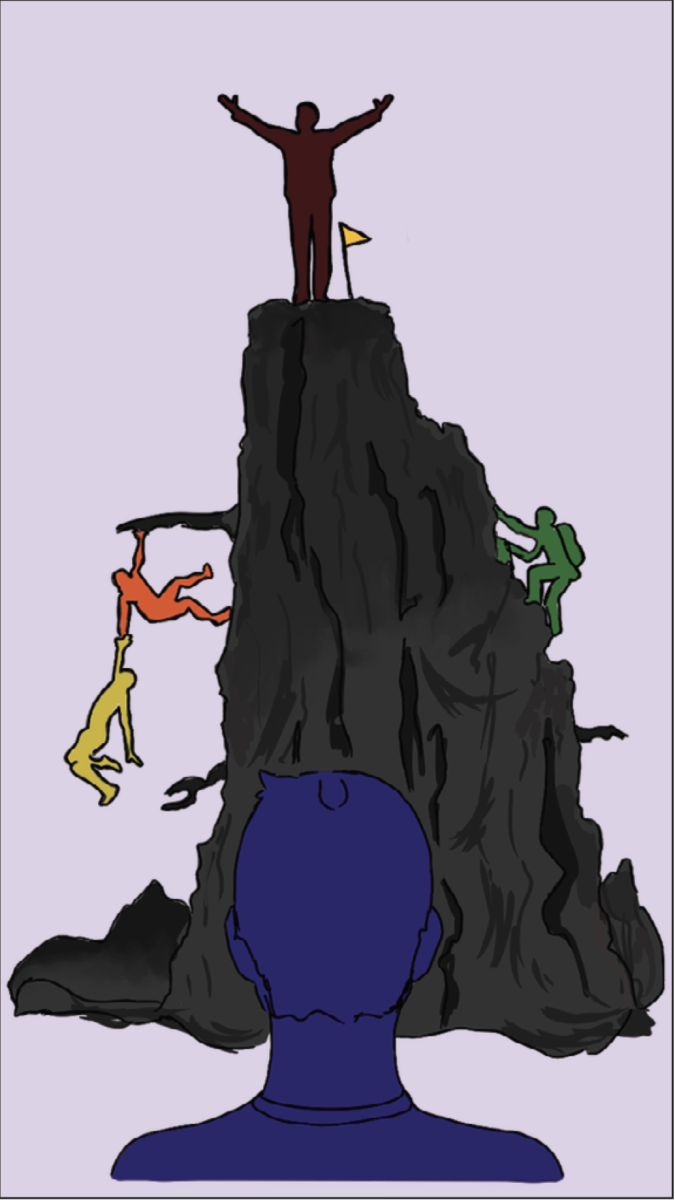
Tiger parenting — an adaptation of the traditional authoritarian style — first brought up by the Amy Chau book, “Battle Hymn,” heavily focuses on extreme academic achievement, many extracurriculars and strict obedience. Limiting socialization results in emotional distance between the child and parent. The main focus is very academic-based, parents who follow this style of parenting believe it is best if their child is involved in only academics for the best outcome for their future. However, it is best to create a good balance between academics and time for oneself. The academic pressure that would be caused under the tiger parenting style causes many mental issues, and in many instances causes depression or suicide due to the competitiveness and comparisons. This is seen widely throughout many Bay Area schools, and sets the standard for a prevailing academic participation. This parenting style is seen to be one of the most harmful approaches, as it can lead to lasting internal trauma and a constant need to acquire perfection in any task they do, causing unnecessary stress when handling adulthood situations.
Another form of parenting that results in negative outcomes is permissive parenting. However, one key difference between these two styles is that many parents are unaware of the harm permissive parenting causes,which leads it to be widely practiced under the belief that it is beneficial for children. Permissive parenting occurs when parents prioritize creating a friendship with their children rather than taking on the parental role and implementing rules and clear guidelines,often out of concern that discipline might damage their “friendship.” This parenting style can result in children lacking emotional control, as they grow up with friends rather than authority figures and experienced leaderless childhoods. It can also be responsible for drug and alcohol abuse from a very early age due to a lack of restrictions and the belief that children must experience everything in order to learn.
Having seen some of the most harmful parenting styles, the most positive approach for the new generation is widely recognized as authoritative parenting. Even if the two are very close in name they are anything but the same. Authoritative parenting includes a good balance between warmth and control. Studies show that authoritative parenting creates the best overall outcomes for their children and families according to Nurtured First. This could be considered the ‘Goldilocks’ of parenting styles when compared to authoritarian and permissive parenting. Permissive parenting which focuses on children having total freedom, and authoritarian emphasizing full control. On the other hand, authoritative parenting fosters lower levels of mental illness, drug and alcohol abuse and aggression in adulthood. This clearly shows how these two parenting styles can shape one’s life, with authoritative parenting having such a positive impact on one’s future.
Ultimately the way a child is raised profoundly shapes who they become as an adult, influencing emotional control, decision making, and overall well-being. While authoritarian and Tiger parenting may instill discipline and high achievement, they often come at the cost of mental health, self-confidence and parent-child connection. Which contrasts to authoritative parenting which strikes a balance between guidance and support, fostering independence, critical thinking and emotional stability. In my view, this is the parenting style that truly prepares children to thrive in life, rather than just survive under pressure.