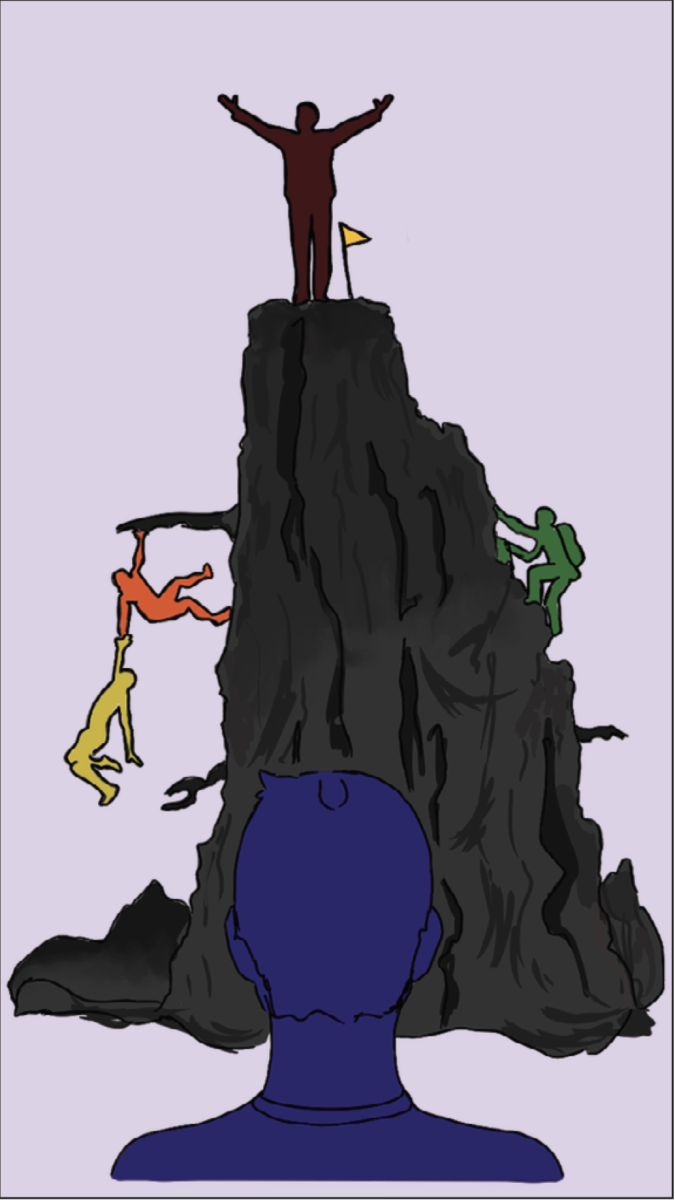
Performative activism is when someone advocates for a cause in words but contradicts it through their actions, reinforcing the very injustices they are supposed to challenge. There are many examples of performative activists, one being the famous actor Leonardo DiCaprio. While DiCaprio speaks out against climate change, his daily actions do not reflect his message. DiCaprio regularly flies around on private jets, which emit harmful chemicals to the environment. This goes against what DiCaprio says he stands for. On the contrary, a great representation of a non-performative activist is Swedish climate change activist Greta Thunberg, who started at 15 years old. While both celebrities advocate for the same cause, their actions reveal the extent of their true activism as DiCaprio uses private jets and takes vacations on yachts, whereas Thunberg refuses to even fly commercially. In 2019 instead of flying to New York to participate in a climate action summit, Thunberg sailed across the Atlantic in a boat equipped with its own solar panels and underwater turbines, which allowed the boat to generate its own power. DiCaprio and Thunberg are a great comparison of what performative and genuine activism can look like.
Yet, this form of hypocrisy is not only exhibited in public figures. Performative activism can be seen in our daily lives. Most people unintentionally participate in performative activism in small ways. For example, if someone wears a shirt that promotes the LGBTQIA+ community while choosing to ignore people in their inner circle who actively promote hate towards those groups, or even do things themselves that harm the cause they supposedly support. Consistently supporting companies or people that go against the causes someone is fighting for makes one a performative activist.
Social media influencers are another great example of performative activism. A popular example is a group of influencers known as the “glow house.” Their whole mission statement is to spread positivity and love, but then notable member Preslee Faith turns around and posts things that hate go against their mission statement. They often speak about causes just to appear virtuous, then get caught saying something that completely opposes everything they supposedly stood for. Their followers get mad for a few months, then the influencer apologizes and it is all forgiven by next year. The apps themselves are not blameless in this performative act. Social media algorithms often push out trends that encourage people to do good acts or speak out about issues, oftentimes turning it into a trend and hiding the real issues that the original videos were trying to bring awareness to like this year’s ice bucket challenge, which was originally supposed to raise awareness for mental health, but instead turned into a big performative trend. Once the trend died, the cause lost its spotlight. Instead of raising awareness, it became a trend for people to participate, which reduced the impact and made the topic seem less serious.
Performative activism creates more harm than good. Without realizing it, many people partake in performative activism. Performative activists often do not do enough to support their cause, or they harm it. While their words say one thing they often fall short because it is easier to say words but much harder for them to act upon. Striving to be more educated on important issues that affect communities and listening to those who are the most impacted by the issues one advocates for is the best way to avoid becoming a performative activist and bring real change.