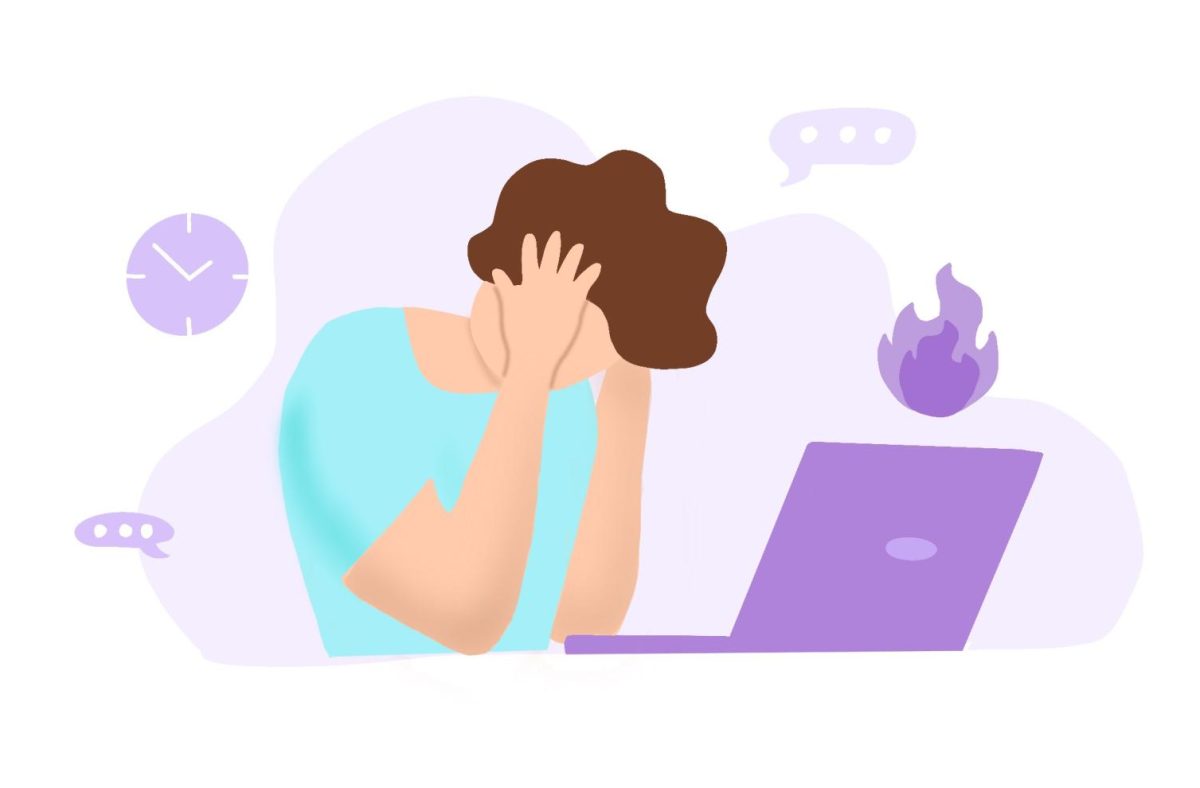
25.9% of teens with four or more hours of daily screen time experience symptoms of depression, compared to only 9.5% of teens with less than four hours, according to the Arkansas Center for Health Improvement. This data is alarming. When you do the math, it shows us that people who have a larger screen time are 16.4% more likely to become lonely and depressed. Technology is making us less happy.
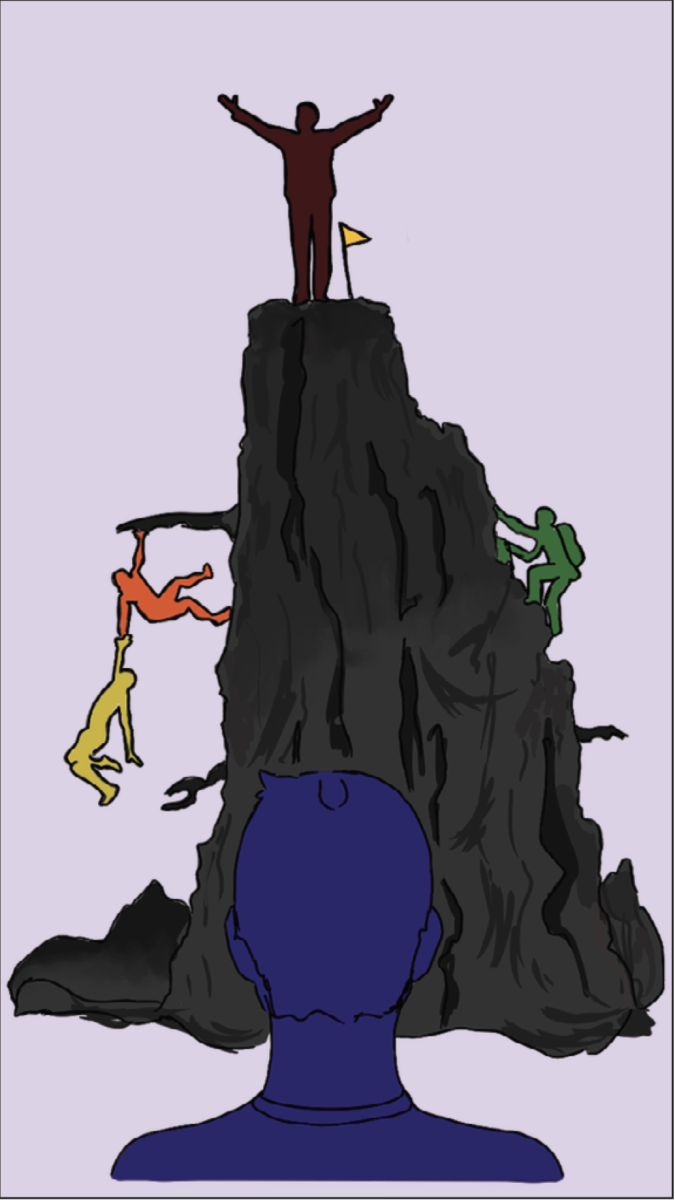
In the past, depression rates have been much lower. People spent less time on social media or gaming. Now, with social media, you can present yourself however you want, which means you can try to make yourself look perfect. When we see other people’s seemingly perfect social media lives, we assume those lives are actually perfect and feel jealous, thinking we are the only people whose lives aren’t ideal. In reality, no one is perfect, but technology can make us feel that way, and result in tons of stress as we try to look perfect as well.
Gaming can also make us lonelier. Some might say it brings people together in communities of those who like the same video game, but this results in people spending a lot of time playing video games when they could be socializing in person with others around them or getting fresh air. Before computers became popular, people would spend their summers hanging out with their friends rather than being isolated in their rooms.
When people think of technology and depression, their thoughts usually go to social media. This is a big part of the problem, but not all of it. Walking into a classroom in the morning before school starts, my eyes are met by the sight of many students on their phones instead of socializing. They are choosing to text each other and play video games over physical conversation.
In the Disney movie WALL-E, the writers present us with a dystopian society where people are being carted around side by side, but have no idea what is going on around them. They are too focused on their screens, which they use to communicate with each other, despite being surrounded by humans. Robots do all the work for them, which should be amazing, but the humans are not satisfied. The advanced technology in their world has isolated them, not allowing them to enjoy their surroundings and truly talk to each other. When two of them are forced to take in their surroundings by WALL-E’s antics, they are amazed and start socializing with each other and having a good time. That is the only time on that ship that you see people laughing — when they are actually spending time with each other.
During the first year of the Covid-19 pandemic, depression rates increased by 25%, according to the World Health Organization, despite services like Zoom offering a way to talk to our fellow humans. This proves that social media and online resources are not enough. We have been spending a lot of time on it, and although it is a great way to communicate, we are trying to use it to replace in-person connections, which does not work. Technology cannot replace human interactions, and instead leaves us feeling alone and depressed. It doesn’t have to be this way, though. If we start using our phones less, and hanging out in person with other people more, we can decrease depression rates and make the world a better, happier place.