When scrolling through Pinterest or Instagram, it is hard to miss the countless aesthetics online. Aesthetics, a branch of philosophy that studies beauty, taste and visuals, often seem attainable and effortless, but users online are constantly surrounded by carefully curated and polished versions of everyday life. This raises an important question: Are aesthetics empowering self-expression, or are they harming self-esteem?
Online aesthetics, such as “Clean Girl” and “Old Money,” are often promoted by content creators, who use sponsorships to endorse lifestyles that align with these aesthetics. Sponsorships create pressure to buy products to fit into online appearances. Usually, aesthetics focus heavily on appearance. The contrast between polished photos seen online and reality can cause users to compare their daily lives to highlight reels, pins and stories and be frustrated when they cannot achieve the standard of perfection.
Many aesthetics are also extremely exclusive. Most require users to spend money and time to fit into unrealistic standards. This can make users feel like they are not doing enough or looking right, even if nothing is wrong with them. Uniqueness and individuality is crucial online. When users show their character, it adds a necessary flavor to the internet.
Self-expression is a way many users can show their true personality online. When trends and aesthetics are forced on users, they tend to show uniformity, and having a unique identity starts to look unappealing. Losing individuality causes people to stop expressing themselves and to start performing for approval. Constantly seeking validation through posts and reels can make one feel disconnected from who they really are. The cycle continues, people conform, feel unsatisfied and then chase the next aesthetic. Ultimately, breaking this cycle requires valuing individuality over online approval and embracing who you are rather than fitting into the next trend.
Moreover, the effects of online aesthetics go beyond trends and personal taste. Seeing glamorized images on platforms like Instagram and Pinterest can lower self-esteem, according to a study by Springer Nature Link. It found that when users compared themselves to others’ posts, they often felt worse about their own self-esteem and body image because they were looking at idealized photos of other people’s lives and appearances.
Social media algorithms make this worse. Posts that fit popular aesthetics usually get more likes and are pushed to a wider audience of users. This means people see the same narrow standards multiple times, instead of realistic and diverse content. Over time, this can change how users view themselves and what they think they should look like or how they should live.
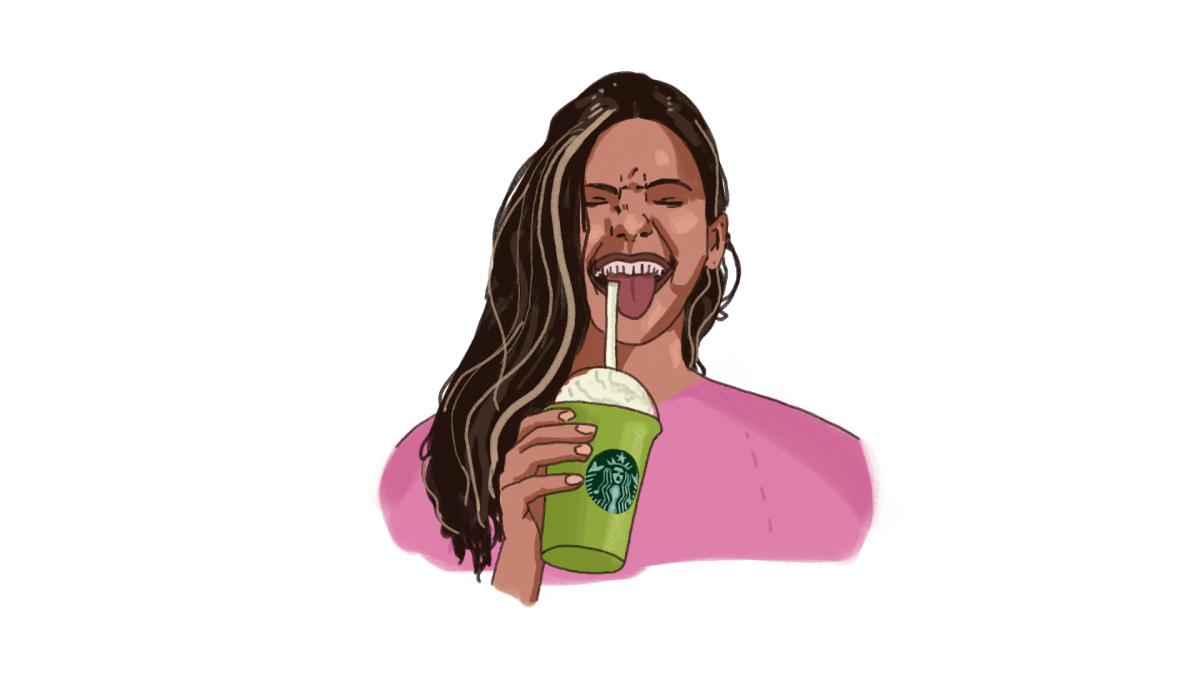
The “Clean Girl” aesthetic is a golden example of this recurring theme. It looks simple and effortless, but it often entails high-end skincare, clothing and time — things that not everyone has. The aesthetic also promotes a specific look that not everyone can achieve. Because it is so popular online, people who do not fit into it may feel left out or pressured to change themselves.
Online aesthetics have become less about creativity and more about pressure. What starts as “inspo” quickly becomes comparison, spending and self-doubt. When people feel like they must fit into a certain aesthetic or category to be accepted online, their individuality gets pushed aside.
As long as this narrative is repeated, aesthetics will continue to damage self-esteem and make people feel like they need to change themselves to belong. Therefore, as a community on social media, users should promote individual dressing and styling choices rather than pushing multiple ideal looks that users feel the need to fit into. Encouraging people to express themselves in their own way helps create an inclusive space, where creativity and thinking outside the box are valued over conformity.